PHL Pavilion holds roundtable discussion: A journey through the arteries of cities & ideas
Manila was once called the Venice of the East. A roundtable on estuaries and esteros closes the Philippine Pavilion at the Architecture Biennale.
You’re in Venice and staying in the Cannaregio area and need to go to one of the two sites of the Venice Biennale (either Giardini or the Arsenale). You don’t need to leave the apartment two hours before the appointment — as we are accustomed to doing in our own neck of the woods. Just take the vaporetto or water bus to the respective docking stations, then go for a brisk walk through lovely labyrinthine streets. You still have time for an espresso or a few bites of cicchetti and to soak in the rich history, culture, art and architecture of the floating city that figures in the works by Shakespeare, Thomas Mann, Henry James and — for things that are not what they seem — Nicolas Roeg. If you’re headed for Marco Polo Airport, you can board the Alilaguna boat which approximately takes an hour from San Marco; even faster but more expensive is a private water taxi. The canals are not just the city’s fluid highways; they are a repository of stories. (A couple of weeks ago, a bunch of tourists fell from a gondola while taking selfies — a new entry in an ancient register.)
Manila is home, don’t get me wrong; there’s no other city like it, but it is sadly getting harder and harder to love. Besides, it is brutal to go to the airport for an assignment and endure two-and-a-half hours of road gridlock while your Grab driver is blasting his non-stop Spotify playlist featuring classics like Halukay Ube, Don Romantiko and Itaktak Mo. It’s probably worse than being one of the damned doing the downward-upward spaghetti of torment in a Hieronymus Bosch painting, apir! But I digress.
While we marvel at how Venice and its liquid dimensions (the way the city’s intricate network of waterways and sinuous canals serve not only as channels of transport but how their very veins “pulse with the lifeblood of a city that has inspired artists, writers and dreamers”), it is interesting to note how Manila… long ago, in a galaxy far, far away… was once called — believe it or not — the “Venice of the East.” This is according to Michael Pante of Ateneo de Manila’s Department of History.
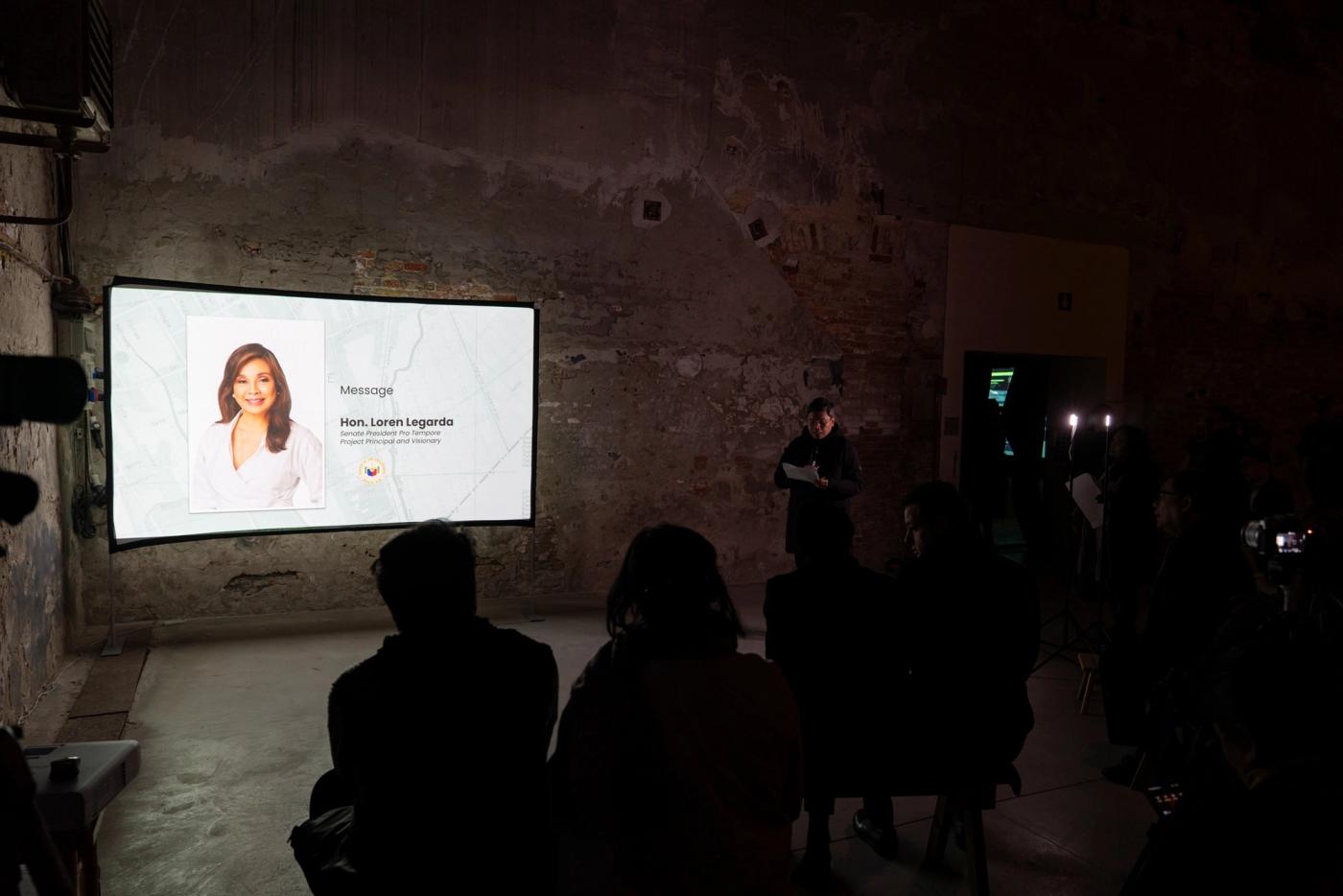
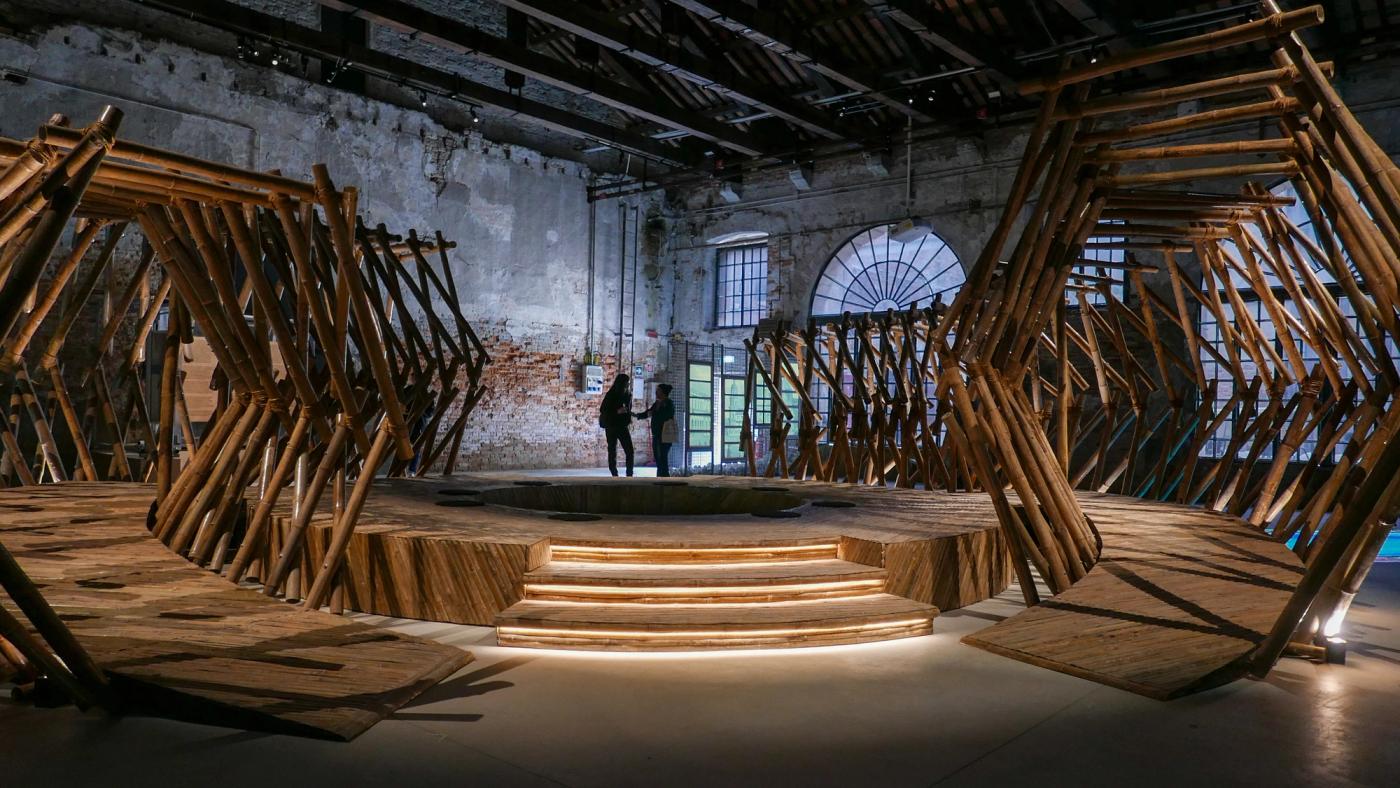
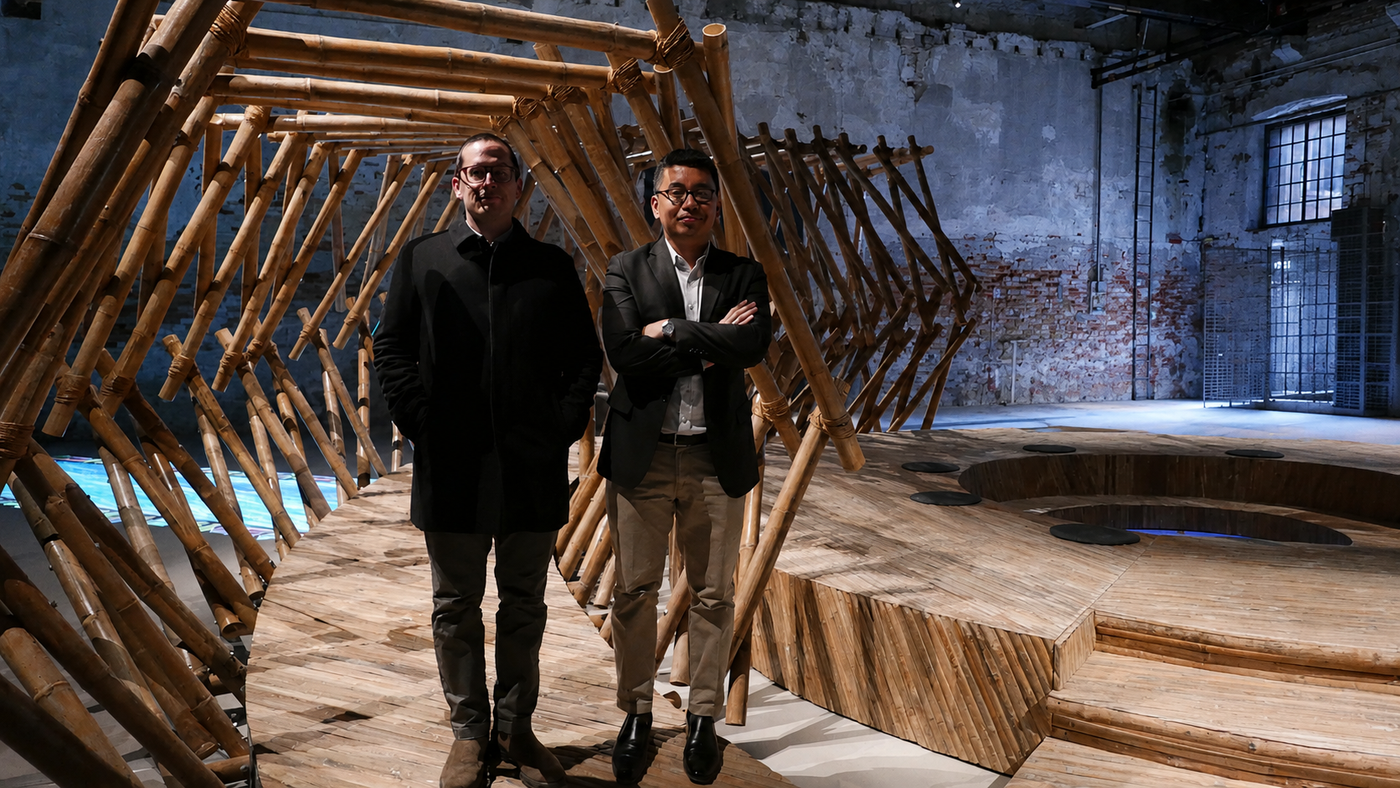
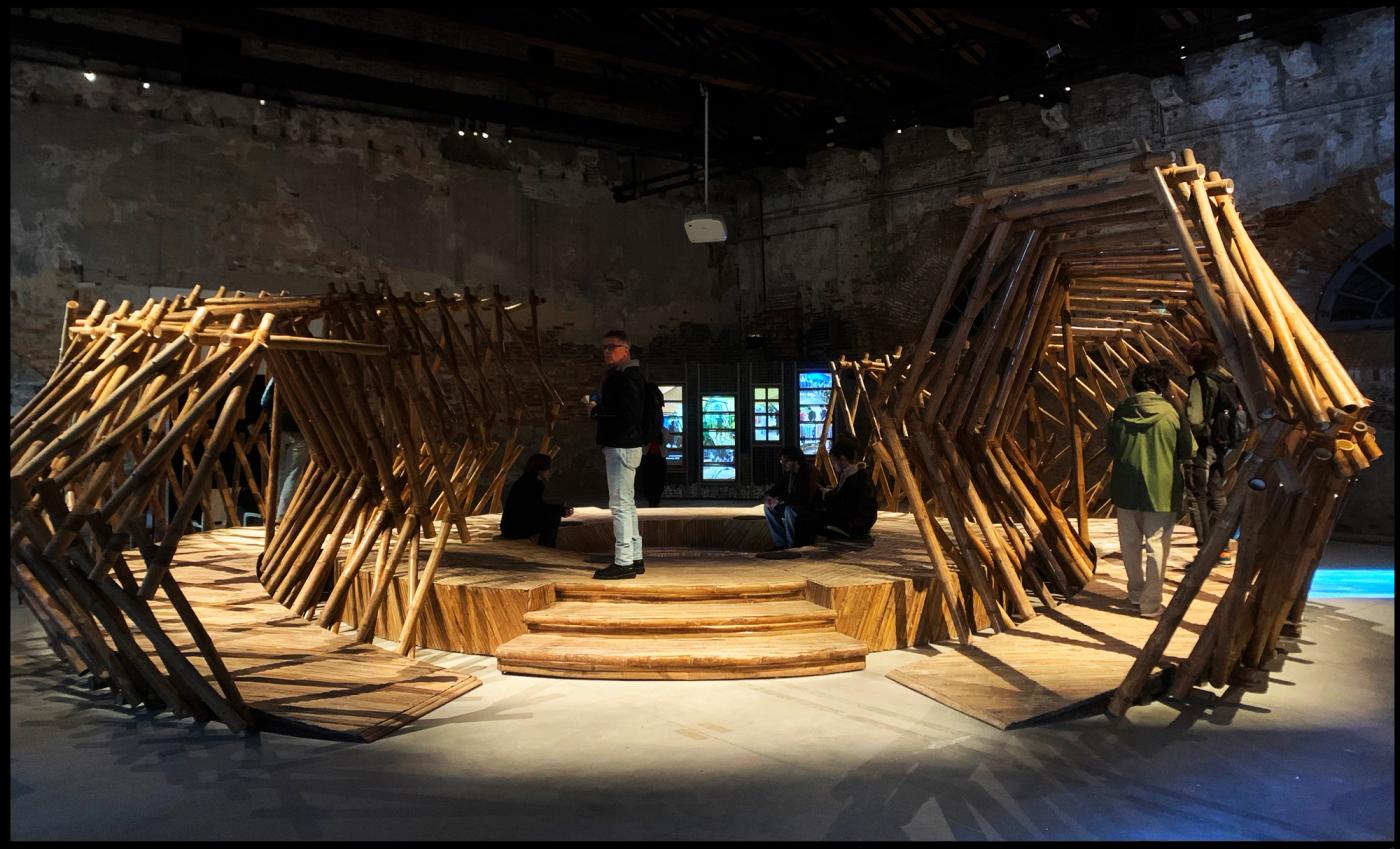
Pante and Anthony Medrano of National University of Singapore were the featured speakers in a roundtable discussion on estuaries moderated by Dr. Patrick Flores. The Philippine Arts in Venice (PAVB) of the National Commission for Culture and the Arts (NCCA) presented the event at the closing of the Philippine Pavilion in the 18th International Architecture Exhibition at La Biennale di Venezia. As the culmination of the featured exhibition, “Tripa de Gallina: Guts of Estuary,” the talks focused on “The Estuary in Southeast Asia” and its reflections on ecological and social history.
“Delving into the complexities and nuances of estuaries and esteros in Southeast Asia, we look into how these unique bodies of water have played a central role in the development of our societies, witnessing the ups and downs of history, with their stories intertwined with our own,” wrote NCCA chair and Philippine Pavilion commissioner Victorino Manalo, which was read during the event at the Arsenale by commissioner Arvin Manuel Villalon. According to Manalo, “The insights gained from our discussions must not remain confined within the walls of this pavilion. They should serve as a catalyst for action, prompting us to advocate for the preservation of these bodies of water and the cultural heritage they encompass.”
For his part, Commissioner Villalon says the talks by Pante and Medrano were both eye-opening: “Dr. Pante’s descriptions of the esteros of old as functional and beautiful waterways challenge the listener of what went wrong in the course of the 20th century. Dr. Medrano’s treatise on shifting our concerns from an anthropocentric view to a more species-sensitive sentiment puts a smile on my lips. Imagine a scientist delving into the worlds of both natural and supernatural to explain ecological protection.”
Patrick Flores pointed out, “Aside from Pante’s and Medrano’s investment in the subject of estuaries, it was their interdisciplinary method that made me think they were the right resource persons, or interlocutors, in the conversation with curators and architects within the Philippine Pavilion of the Venice Architecture Biennale.”
What were the most interesting ideas brought forth by Medrano?
Flores answered, “I value how he sharply rendered the active life of the estuary in Southeast Asia through the narratives around a fish and a crocodile. He was able to weave the specificity of their stories with social, economic and political implications. The intersection between ethnography, history, and folklore pull the Humanities and the Social Sciences closer to each other.”
What about Pante?
“In the case of Pante, the strength was the sketching out of the history of the estero in the Philippines from the colonial period to the post-war era. He was able to draw links between this history and the development of Manila as a metropolis, alongside the attendant risks of urbanization like flooding, congestion, pollution, informal settlements, and so on.”
An exercise: try to imagine a spot in the multiverse where Metro Manila had a system of water buses, taxis and — well, dreaming is free — Venetian-type gondolas ferrying passengers across rivers, canals and esteros (free at last from enduring the snarl of EDSA traffic, riding clanky buses driven by merchants of death, jockeying for position like Dillon Brooks during rush hour, or getting the scarlet letter of tardiness). But Villalon would advise against this.
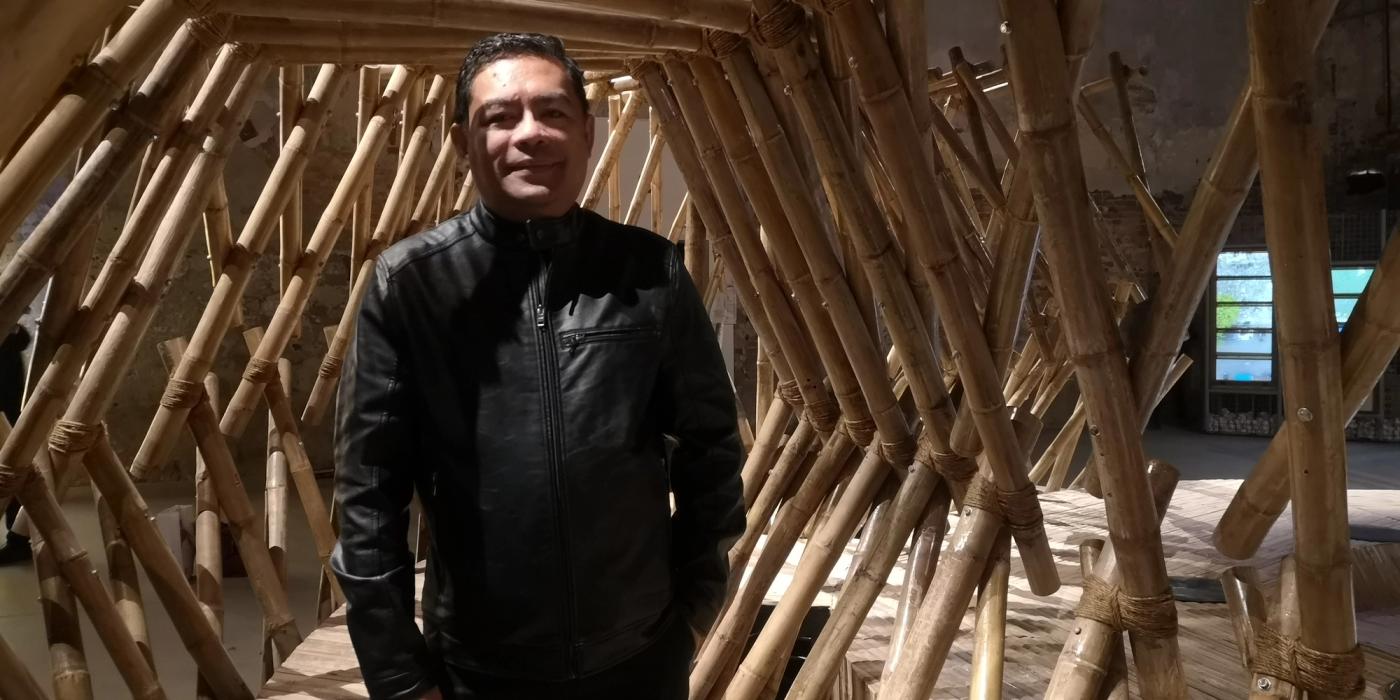
“I don’t think we could come back to that point where our esteros would be navigable,” he explained. “We have choked, land-filled and erased some of the esteros of old. Perhaps we could still resurrect the Pasig River as our main thoroughfare. I do not want to use Venice as our yardstick because we will fall into neocolonial conceptions of how the ideas that work come mainly from Western inventions and conceptions. Let us take Venice and Manila’s esteros separately. Each has its charm that has been shaped by its respective histories.”
Villalon offers a more practical take. He said, “Cleaning the esteros and maintaining them are more than enough for me.” As the Dave Chappelle meme points out, “Modern problems require modern solutions.”
But, unlike in social media, expectations can be the seeds of reality. Discourse and dialogue can ferry forth new ideas.
Dr. Flores amplified, “Through estuaries, we get a different perspective on history and art, and the world around and beyond us. Finally, by thinking about estuaries, we can begin to propose what I would call the civic technology through which to motivate the community, the public sphere, civil servants, policy makers, urban planners, architects and designers, development workers, and so on to regenerate the waterways all over the Philippine archipelago as vital arteries and capillaries of contemporary life.”
The talks by Pante and Medrano have birthed further discussions and have given another dimension to the Philippine Pavilion’s “Tripa de Gallina” exhibition.
“The exhibition touched a sensitive nerve in a wider and more intricate social matrix,” concluded Dr. Flores. “That (the subject) was both a symptom of a problem and a possibility of ecological renewal. That the Philippine Pavilion in Venice can be a productive forum for the discussion of pressing issues around architecture and its extensive milieu. That architecture goes beyond the conception and expectation of built form. And that architects and architectural curators need to be in constant dialogue with other public intellectuals in the field of culture and social analysis.”
How architecture ultimately transcends structures is an idea that truly holds water.
The sustained Philippine participation at the 18th International Architecture Exhibition – La Biennale di Venezia is a collaborative undertaking of the National Commission for Culture and the Arts (NCCA), the Department of Foreign Affairs (DFA), and the Office of Senate President Pro Tempore Loren Legarda.
For information, visit philartsvenicebiennale.org. See updates on Facebook and Instagram via @philartsvenice.
A version of this story first appeared in The Philippine Star, 2023. Print edition.


