Beyond the veil: Carlos Quijon Jr. & Mark Salvatus to represent PH at the Venice Biennale
Curator Carlos Quijon Jr. and artist Mark Salvatus on taking the Philippines to Venice, and the curator’s shift from shaman to jack of all trades.
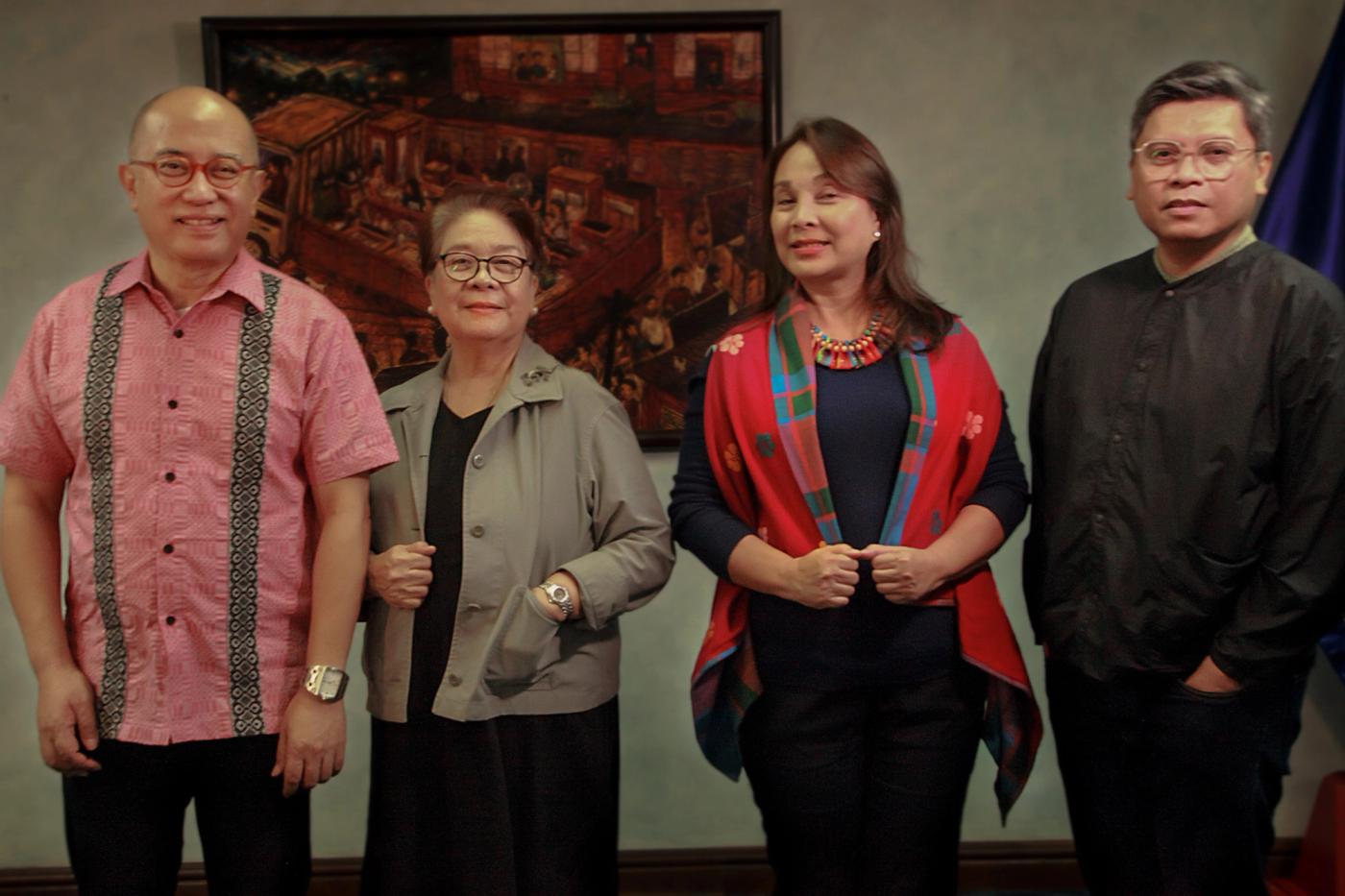
What is a curator in this day and age? Carlos Quijon Jr. explains how today’s curators are also historians and art critics, among other things. “My practice is informed by these different positionalities,” he explains. “I’m also part of a generation of curators who are trained in almost all aspects of exhibition-making and programming — from coordinating to installing to writing to designing to publishing.” The intellectual shamanic curators of old have now turned into hands-on jacks of all trades, willing to go into the trenches to dig up something new and revelatory.
The present-day artist is also investigative, multi-disciplinarian. Mark Salvatus characterizes his artistic practice as “Salvage Projects” (a pun on his name). He is intrigued by the debris and remnants of the blurred (and presently blurring) “history of the nation and its complicated narratives.” The artist explains, “Working across various disciplines and media, I try to build direct and indirect engagement using objects, photography, videos, installations and participatory projects that present different outcomes of energies, meanings and experiences.”

The Philippine Arts in Venice Biennale (PAVB) recently announced that the Philippine Pavilion has selected the exhibition “Kabilang-tabing ng panahong ito (Behind the curtain of this age)” curated by Carlos Quijon Jr. to be the country’s official participation at the 60th International Art Exhibition of La Biennale di Venezia. It will feature the works of Mark Salvatus.
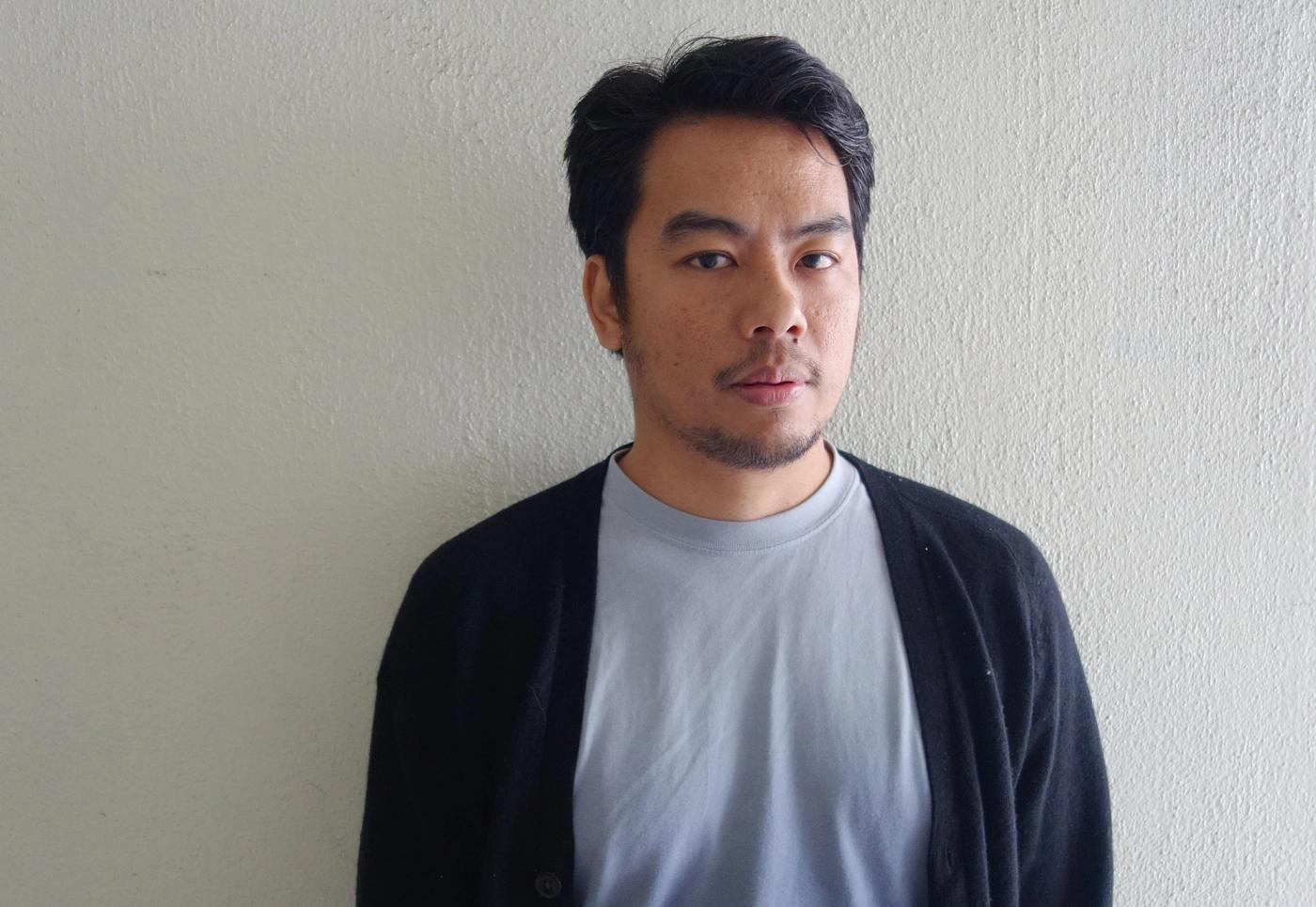
According to the PAVB: “The selected exhibition revolves around the ethno-ecologies of Mt. Banahaw, a three-peaked forested mountain located at the boundary between Laguna and Quezon, and Lucban, the artist’s hometown. It draws inspiration from how Mt. Banahaw has shaped the music and faith of the people. The title comes from the words of Apolinario de la Cruz or Hermano Pule, the radical spiritual firebrand, lodestar of the people of Lucban, who resisted the discriminations of the Spanish Catholic church.”
The deliberations were held last July 21, onsite at the National Commission for Culture and the Arts (NCCA) and virtually, via Zoom. The jury comprised Senate President Pro Tempore Loren Legarda, project principal and visionary of the Philippine participation at the Venice Art and Architecture Biennale since 2015; Corazon S. Alvina, director of the Museo ng Kaalamang Katutubo; Biljana Ciric, an interdependent curator based in Shanghai; Alexandra Munroe, Ph.D., director of curatorial affairs for the Guggenheim Abu Dhabi Project and a pioneering authority on modern and contemporary Asian art and transnational art studies; and Victorino Mapa Manalo, NCCA chair and commissioner of the Philippine Pavilion.
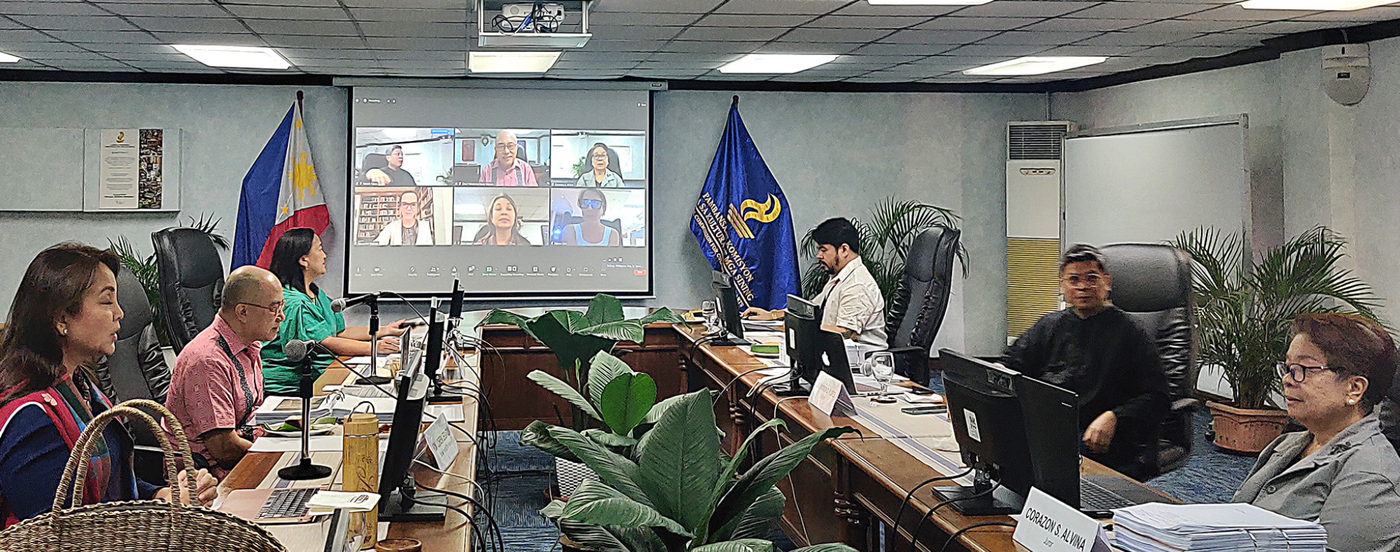
“Given the depth, complexity and deep resonance of the proposals submitted, it was no easy task,” says Senator Legarda. She explains, “(The winning proposal) weaves together Mark Salvatus’ ongoing research on the vernacular histories of Mt. Banahaw and Lucban convened from family archives, popular materials, and different historical moments and mythical motifs. Eloquently conveying the realities and aspirations of the locality in a global context, the Pavilion expands the scope of the national through the vernacular and cosmopolitan histories of musicians from Lucban and explores this in relation to the vitalities of place and belonging.”
The curator amplifies, “Our proposal looks at the intersections of mysticism, modernity and contemporary life, and what these might mean in a post-pandemic age. It presents the cultural life of band musicians based in Lucban and the ways in which they have become migrant cosmopolitan figures in the contemporary time. In all these, Mt. Banahaw is imagined as a source of vitality for the people living in its vicinity as well as its imaginations in popular and vernacular cultures.”
Salvatus says, “The project we are showing is very local and rooted in my hometown, and I wanted to see its potential in creating different conversations with the world.”
What Quijon finds fascinating with Mark’s practice is that its impulses are always intuitive and curious. “The works take you along an artistic process that is open-ended. This open-endedness for me makes us aware of other ways of thinking about histories and knowledge. This is seen in how many of his works use the most unconventional but most interesting materials: family archives, tourist shirts and maps, screenshots from Google Maps.”
Visitors to the 60th International Art Exhibition at La Biennale di Venezia will be able to see the winning proposal fleshed out at the Philippine Pavilion in the Arsenale in all its mystical-contemporary glory from April 20 to Nov. 24, 2024.
Quijon concludes, “I think that Mark’s interest in Lucban and Mt. Banahaw complicates our ideas about the nation and what a national pavilion should look or feel like in an international biennale.”
The Philippine participation at the 60th International Art Exhibition – La Biennale di Venezia is a collaborative undertaking of the National Commission for Culture and the Arts (NCCA), the Department of Foreign Affairs (DFA), and the Office of Senate President Pro Tempore Loren Legarda. The commissioner of the Philippine Pavilion is Victorino “Ino” Manalo, chair of the NCCA. For information, visit philartsvenicebiennale.org. See updates on Facebook and Instagram via @philartsvenice.
A version of this story first appeared in The Philippine Star, 2023.


