Malabon artist sets sail for Venice
Ronald Ventura transforms boat-body sculptures and lunar motifs into a meditation on water, survival, and the fragile ties between two cities.
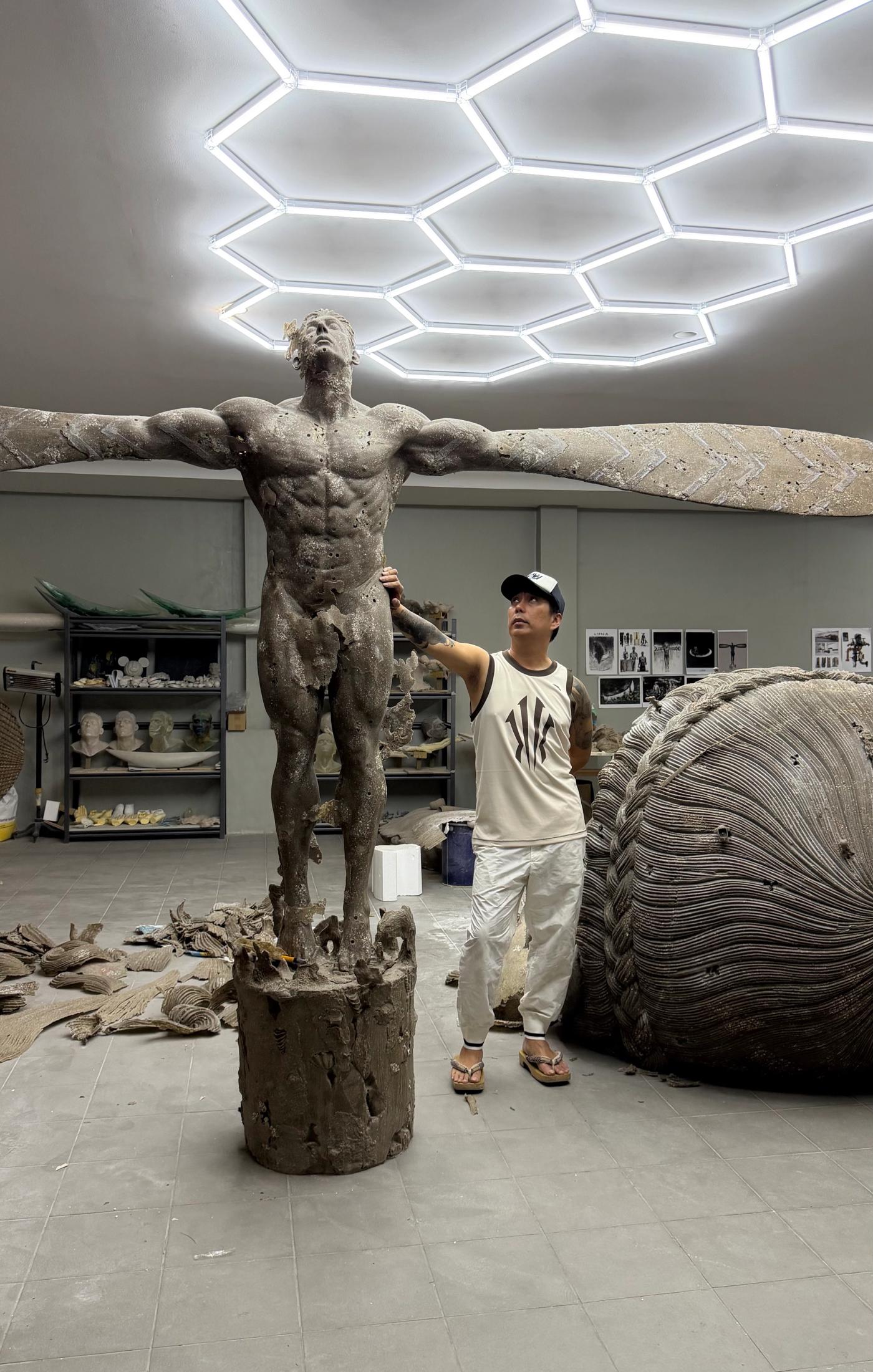
Was it in M.A.S.H. where I heard the line that war is worse than hell, because hell has no innocent bystanders, but war is chock-full of them? War is a bane upon our existence: brutal, illogical and loud. Art cannot contain it, even at its most unsparing; Picasso and Goya only bring us to the edge of what can be shown. But art can offer something else: a quieter register, a space for lamenting or simply for listening. Echoing that sensibility is this year’s theme for the 61st International Art Exhibition—La Biennale di Venezia, which is “In Minor Keys,” curated by the late Koyo Kouoh. The latest exhibition titled “Luna” by Filipino contemporary artist Ronald Ventura—featuring boat-bodies and suspended lunar forms—strikes the same chord, reflecting on conditions that persist beneath catastrophe: the fragile endurance of life within shifting environments.
Ronald Ventura’s “Luna,” curated by Ruel Caasi, is a large-scale exhibition chosen as one of the Collateral events at the 2026 Venice Biennale. Running from May 9 through Nov. 22 at the Docks Cantieri Cucchini (Castello 1/A), the site-specific intervention explores the deep-seated connections between two water-bound locales: the floating city of Venice and the fishing community of Malabon.
A tale of two water-bound cities
The artist explores the moon motif via sculptures of human figures—children, men, women—reimagined into boats of different sizes. The crescent-shaped human-body-boat hybrids hang from the ceiling, creating a sensation of floating suspense. As vessels, both literal and metaphorical, these pieces of anthropomorphic watercraft forge a link between Malabon and Venice, two cities whose history and civilization have been determined by the surrounding aqueous reality. Built amid the liquid element, both Venice and Malabon have developed a symbiotic existence with water as an inescapable force, albeit one with an ambiguous presence.
The ethereal beauty of Venice is born from its intimate relationship with water, as the winding canals act as shimmering mirrors that reflect and multiply the splendor of its historic palazzos. But the phenomenon of acqua alta, or high water, has become part of Venetian life—seasonal flooding that at first was manageable, but over time grew more severe due to subsidence, industrial activity, and climate change.
For Malabon, known historically as the “Venice of the Philippines,” water serves as the foundational lifeblood of its economy, sustaining generations through a vibrant fishing industry and extensive aquaculture that form the backbone of the community’s livelihood. But water has also imposed cycles of vulnerability. Decades of reclamation, rapid urbanization, and land subsidence have intensified flooding, worsened further by typhoons and rising seas.
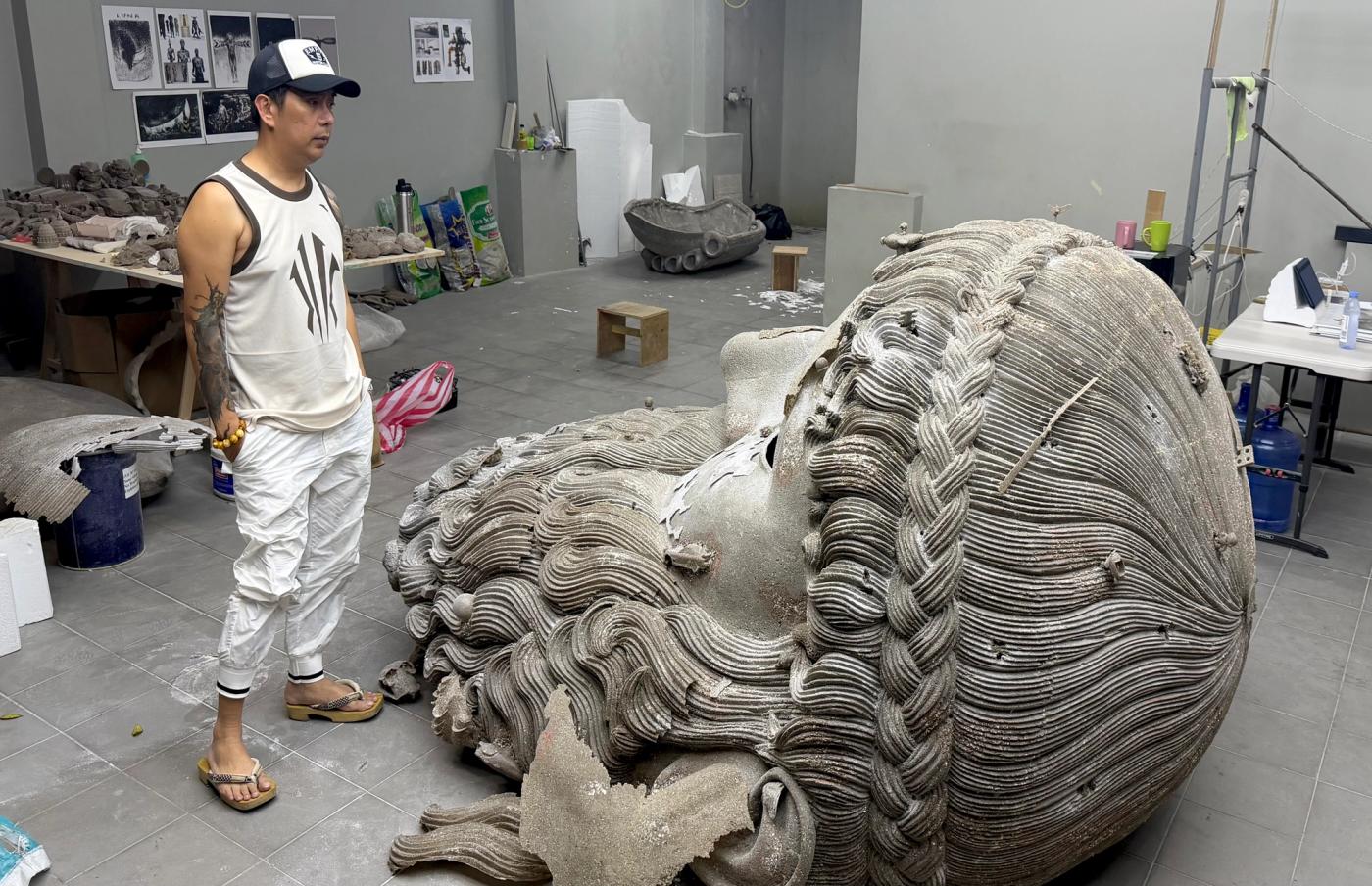
In Ventura’s vision, Venice and Malabon converge not just as geographical parallels but as metaphors for a world increasingly defined by rising tides. Their histories, layered with memory, myth and survival, invite reflection on what it means to live with water in all its contradictions: source of life, agent of destruction, and mirror of our collective future.
“Venice and Malabon share histories of water as a paradox,” explains the artist. “Venice, long sustained by trade and now threatened by acqua alta, mirrors Malabon’s everyday improvisations against floods. Both cities exist in fragile equilibrium. They are emblems of ingenuity in the face of disaster.”
“Luna” gathers more than a dozen newly realized works by Ventura that reflect on cross-cultural encounters and historical sedimentation.
The moon (“Luna”) serves as the exhibition’s anchor and a mythological token, orchestrating the tides to reflect how local realities can resonate with global concerns.
Ventura points out how the moon is often used in stories and songs: lovers gaze at the same moon across distance, as if connected. It works like a satellite, bouncing signals from one place to another. In the same way, Venice and Malabon reflect each other. For the artist, while looking at one city, he is reminded of its counterpart halfway around the world.
Shared tides & the moon’s silent pull
Transforming the former shipyard space of Docks Cantieri Cucchini, Ventura uses the aqueous nature of both cities as a backdrop to address a pressing modern issue: the lost connection between society and nature’s essential rhythms.
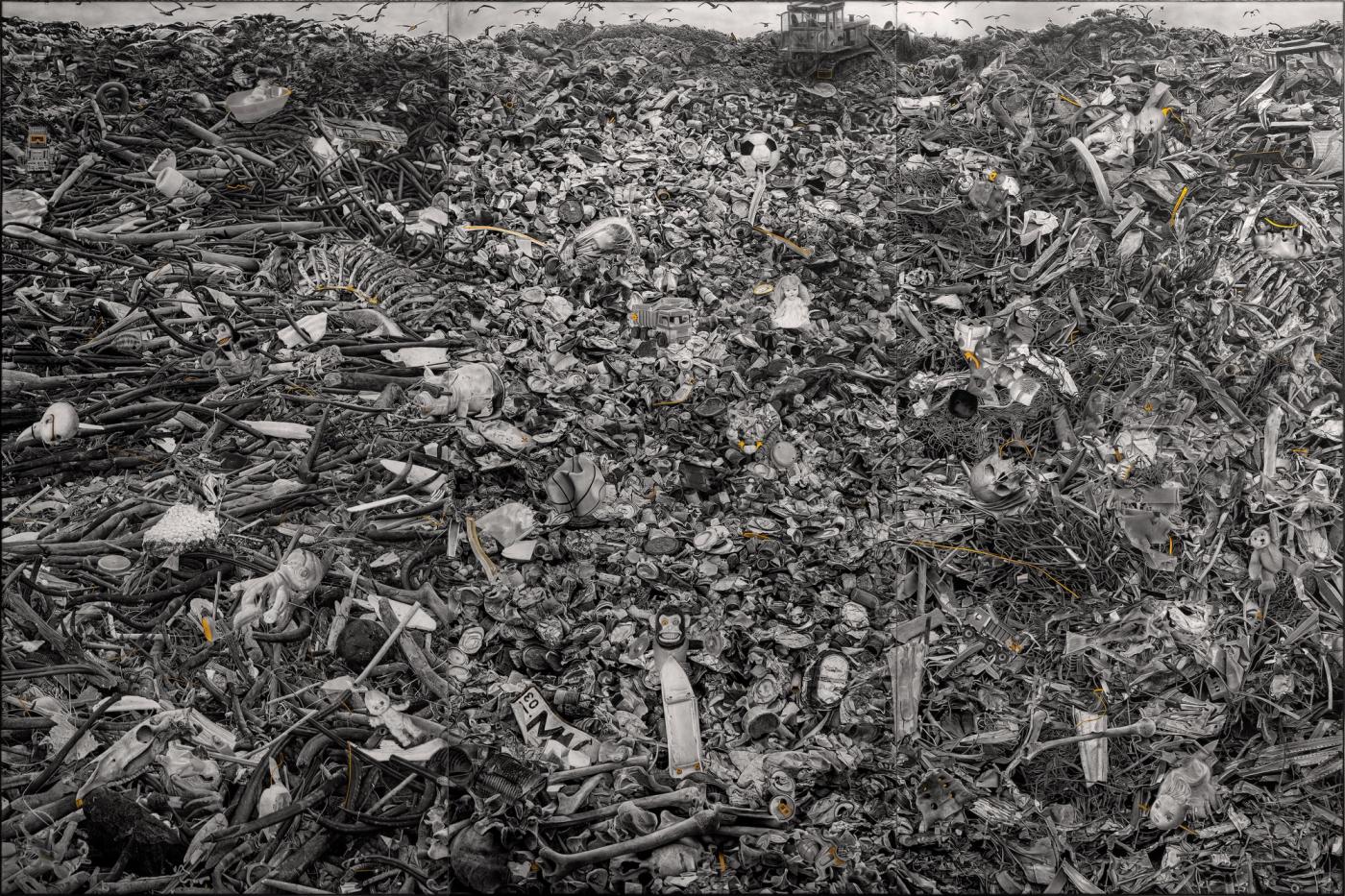
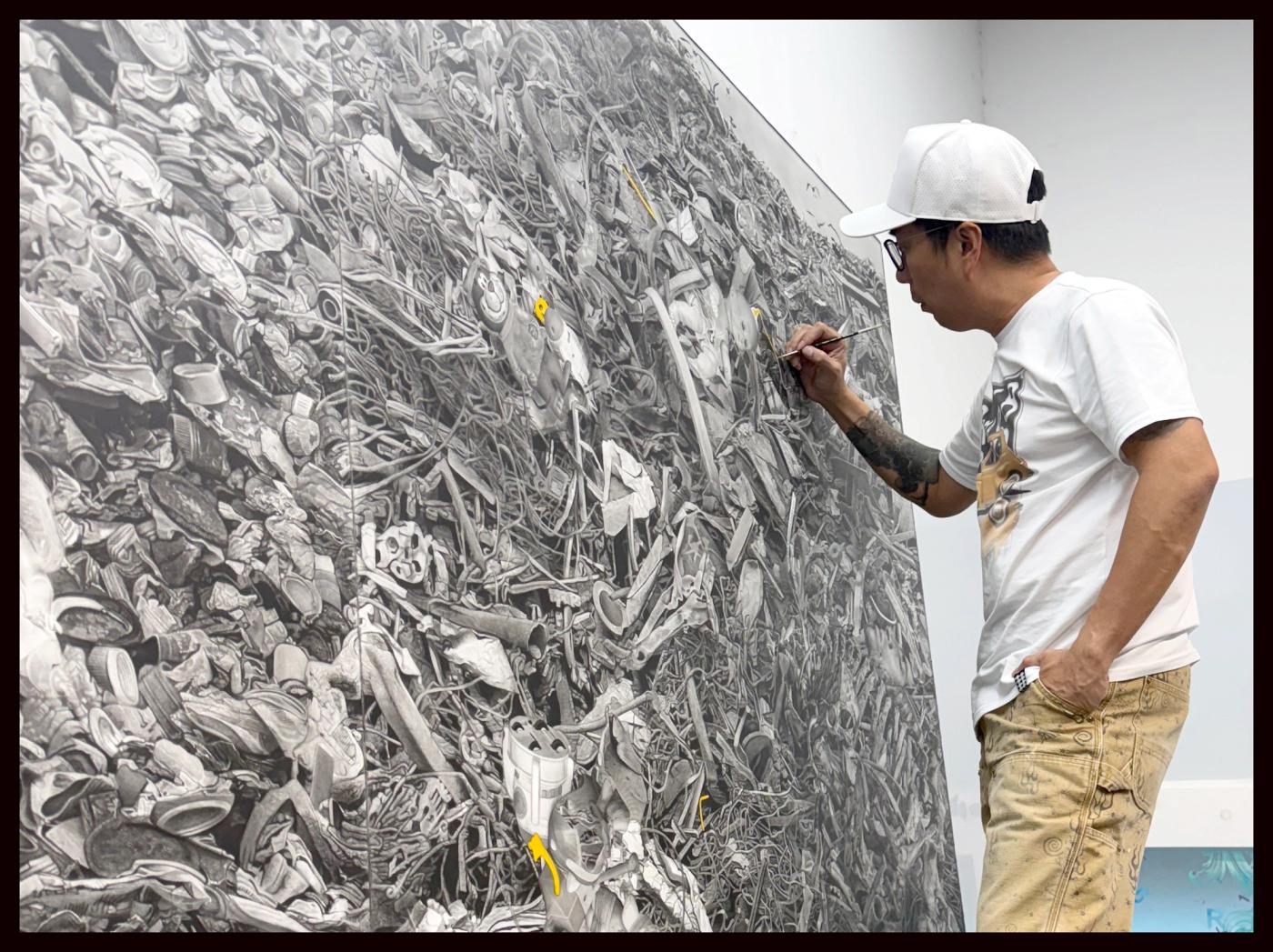
The immersive setting features a diverse array of media, including oil paintings, charcoal drawings, resin compositions, Murano glass sculptures realized with Berengo Studio (Murano), as well as video installations. This rich pastiche of references nods to the complex, layered tangles of contemporary identity.
Caasi explains, “‘Luna’ connects to this year’s Biennale theme, ‘In Minor Keys,’ curated by the late Koyo Kouoh, because it speaks in a quieter, more reflective way rather than through spectacle. Instead of making a loud statement, Ventura uses the moon and the boat-bodies to show how people live with water day after day—its beauty, its danger, and the constant need to adapt. The works feel like a ‘minor key’ in music: subtle, emotional and uneasy, carrying themes of memory, vulnerability and survival.” For Caasi, this is what makes “Luna” a strong companion to Kouoh’s Biennale—an exhibition that asks viewers to pay attention to the softer signals of our time, where local realities like Malabon can echo global realities like Venice.
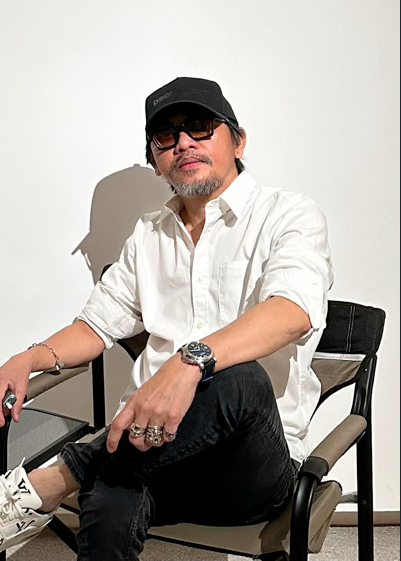
At its heart, “Luna” is a meditation on interconnectedness, a recognition of Venice as a meeting point of cultures and trades, and a tribute to Malabon as a microcosm of the Philippines’ precarious survival. It embodies Ventura’s lifelong practice of layering divergent visual languages—Renaissance grandeur with cartoons, photorealism with text, debris with classical reference—to mirror the complexity of contemporary identity.
It’s about how water sustains, water destroys, water remembers.
For information, visit www.luna.ronaldventura.com.
A version of this story first appeared in The Philippine Star, 2026. Print edition.


