Apocalypse to the Ears: The most mind-altering albums of all time
Turn me on, demons: nine albums that rearrange the furniture in your head, from Jane’s Addiction to Coltrane, with the tenth slot left empty.
Listening to music has become an empty and meaningless ritual. You push the stereo’s POWER button, take the disc off its case, place it on the disc holder, press the PLAY button and, as the music meanders and mushrooms slowly from the speakers, do one of the following: 1) read a book, a magazine or minds; 2) finger your cellphone; 3) pick your nose; 4) stare into the void or the antiseptic walls; 5) or wait for Armageddon, Rapture, UFOs, Godot, the Candyman, a resurrected Elvis and other crazy myths and creatures. You can even do all of the aforementioned.
But there are several albums that grab listeners by the scruff of their necks and set their twilight minds reeling—CDs that can be considered as musical counterparts of amphetamines or equated with the psychedelic experience. The great thing is, you can buy them from the counter without fear of cracking up, overdosing, or landing in a NARCOM cell. Some albums are as mind-altering as literature, cinema or great pieces of art. Thus, they can be substitutes to any of the following: 1) novels by William S. Burroughs; 4) hell designed by Bosch; 5) poems from the Symbolists who have systematically deranged senses; 6) a ride on Albert Hofmann’s white bicycle; 7) Trainspotting, A Clockwork Orange or Apocalypse Now; 8) coffee and correspondences with Timothy Leary in the cosmic chatroom; 9) snacking on peyote with Don Juan; 10) or eerie fieldtrips to the dream country.
Here’s a list of albums that can make listeners forget their world-weary, comfortably-numbed selves for a while.
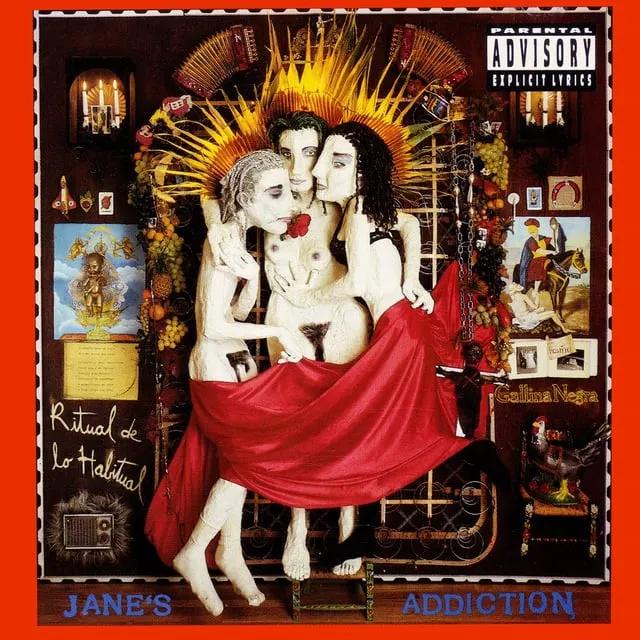
1. Jane’s Addiction—“Ritual De Lo Habitual”
Night is shelter for nudity’s shiver.
Listening to a Jane’s Addiction record is like hitchhiking through the galaxy or across one’s own psyche since its mood ranges from “despair to transcendence.”
“Ritual,” the band’s second major release, showcases singer Perry Farrell’s warped worldview framed by Dave Navarro’s metal-meets-post-punk guitar. Farrell, the androgynous frontman, touches on topics such as an obsessive need to steal (Been Caught Stealing), sadomasochism (Of Course), as well as orgies and epiphanies (Three Days).
Thematically, the band explored the cultural underbelly and man’s shocking darksides rather than discourse on clichés such as sex, drugs and rock ’n’ roll, what their poodle-haired contemporaries (Mötley Crüe, to name one) did to death and disbandment.
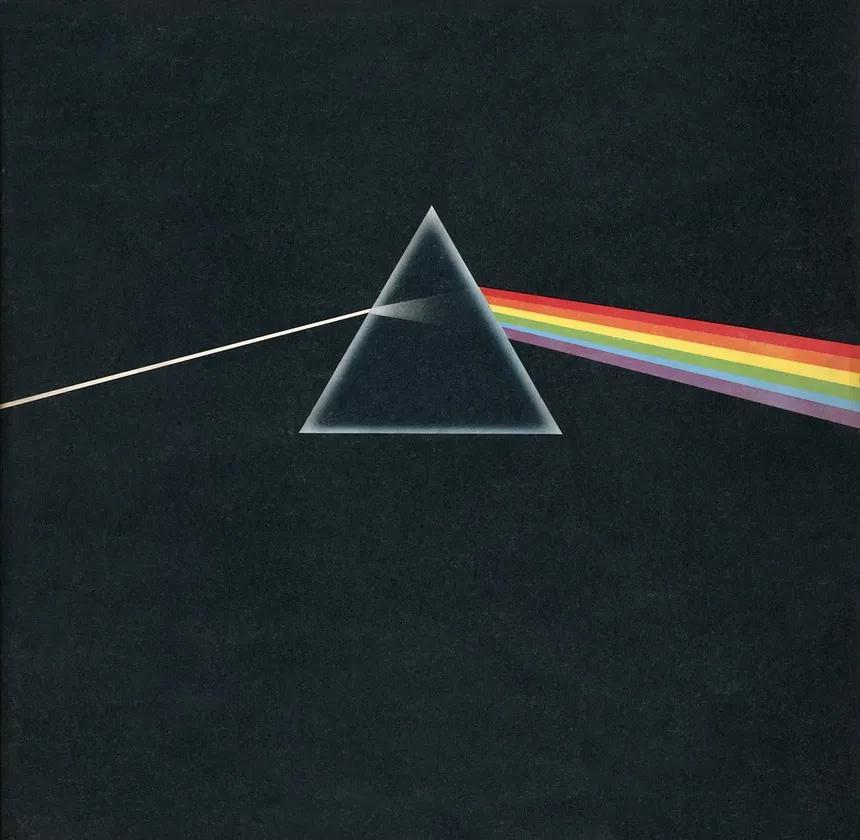
2. Pink Floyd—“The Dark Side of the Moon”
“It is the space rock album that launched a thousand trips.”
Pink Floyd’s tribute to their fallen leader Syd Barrett yields loony tunes, ambient soundscapes and eloquent meditations on time, insanity and alienation. Although other Floyd albums stretch musically with more aplomb (“A Saucerful of Secrets,” “Meddle” and “Wish You Were Here”), none approach the twisted rock opera and majestic melancholia of “The Dark Side of The Moon” with tracks like Time, Us and Them, and Brain Damage.
Quiet desperation, indeed, is the English way.
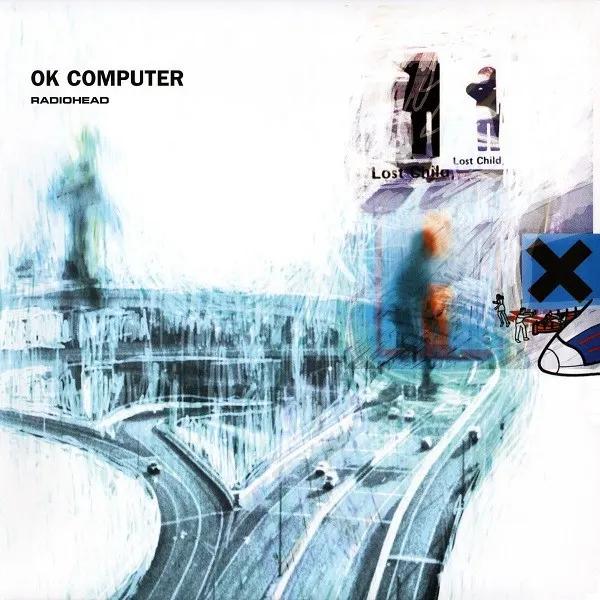
3. Radiohead—“OK Computer”
I’ll take a quiet life, a handshake, some carbon monoxide/No alarms and no surprises.
Thom Yorke and co. were dismissed at the onset by critics as creepy self-loathers riding on the coattails of grunge and nothing more. Radiohead responded by creating big, ecstatic music in albums like “The Bends” and “OK Computer,” the band’s long, hard stare into a dystopian and over-technologized future.
Tracks such as Paranoid Android, Airbag, Karma Police, Let Down are Radiohead’s aural montages dealing with pain, menace and isolation—favorite themes of the Existentialists and Pink Floyd. Music about man’s postmodern malaise never sounded so uplifting.
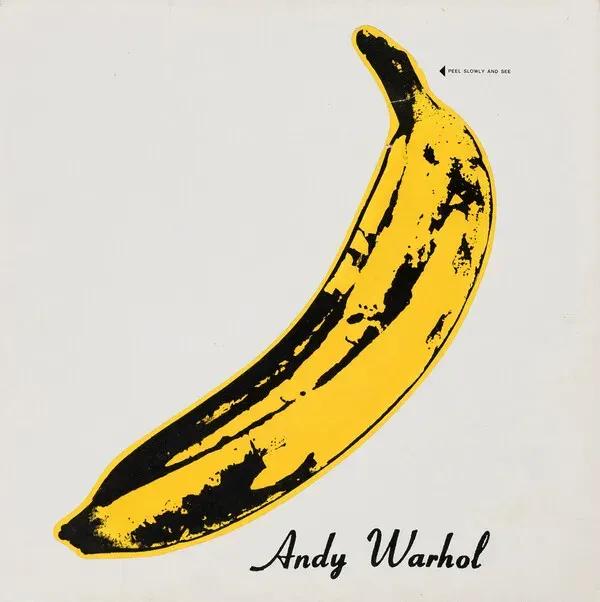
4. Velvet Underground—“Velvet Underground and Nico”
I don’t know just where I’m going/ But I’m gonna try for the kingdom if I can.
What can this writer—another one in an infinite line of pseudo-critics—say about the group discovered by Andy Warhol that hasn’t been written to death already?
Well, the music on “Velvet Underground and Nico” is schizophrenic: sometimes soft and ethereal (Sunday Morning, Femme Fatale), sometimes heavy and earsplitting. Heroin—Lou Reed’s montage of feedback, drones, slapdash guitars and stream-of-consciousness lyrics—will leave minds forever altered.
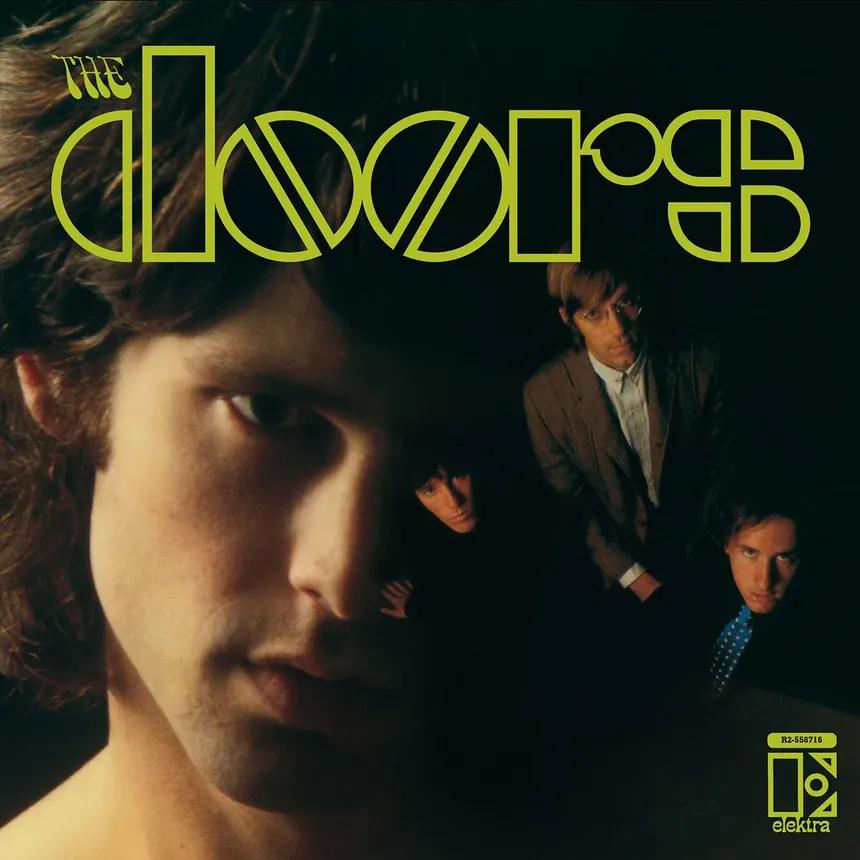
5. The Doors—“The Doors”
As in the case of Lou Reed, the monolithic hype machine has also spun uncontrollably for The Doors’ Jim Morrison, sometimes one can’t even distinguish between the man and the trashy myth. The best recourse is to let the music do the talking; and “The Doors” speak in ecstatic volumes.
It contains Light My Fire, Break on Through, Soul Kitchen, The End (Morrison’s drunken take on Freud’s Oedipus concept), as well as The Crystal Ship.
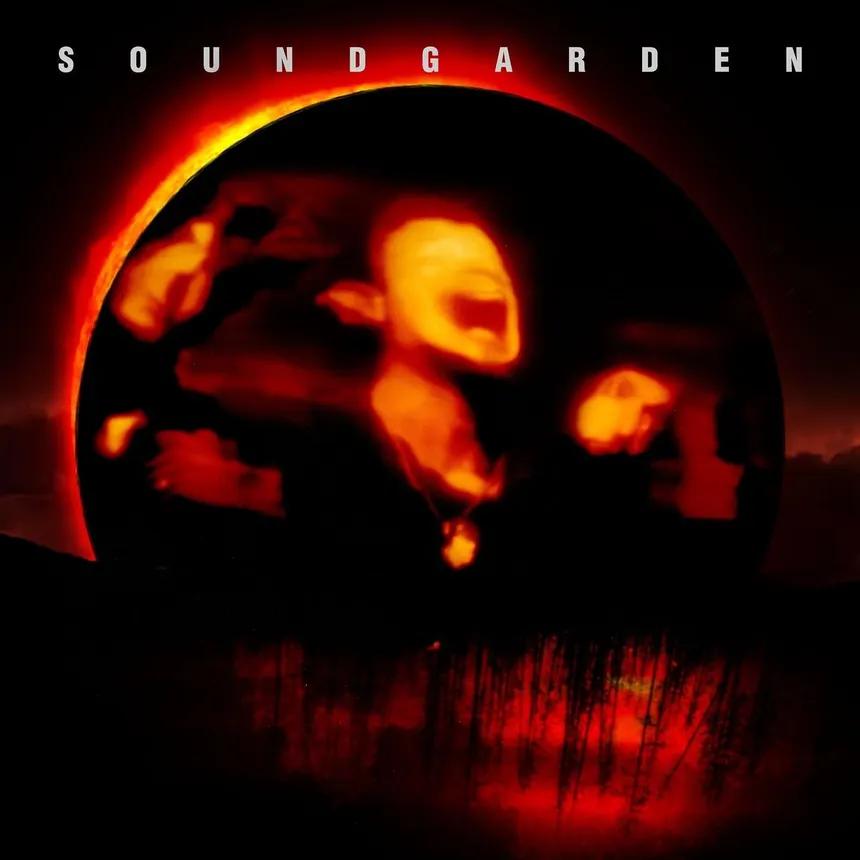
6. Soundgarden—“Superunknown”
Words you say never live up to the ones inside your head.
This album is dark, moody, filled with spiraling melodies, weird riff shapes, as well as cryptic, metaphor-heavy lyrics. You have Chris Cornell’s version of the Apocalypse (4th of July), the Beatlesque ballad (Black Hole Sun), the ode to a Seattle street performer (Spoonman), and The Day I Tried to Live with its odd time signature, harmonized guitars and the frontman’s screwy meditation on existence.
What’s also mindblowing about Soundgarden’s follow-up to “Badmotorfinger” are the oddball tracks that pop up now and then— particularly Ben Shepherd’s tunes like the Syd Barrett-inspired “Head Down” and “Half,” which sounds like a spaced-out Mahavishnu Orchestra accompanying John Berryman (“Mr. Full, Mr. Have Kills Mr. Empty Hand”).
The garden of sound is one bleak yet mind-altering place to be.
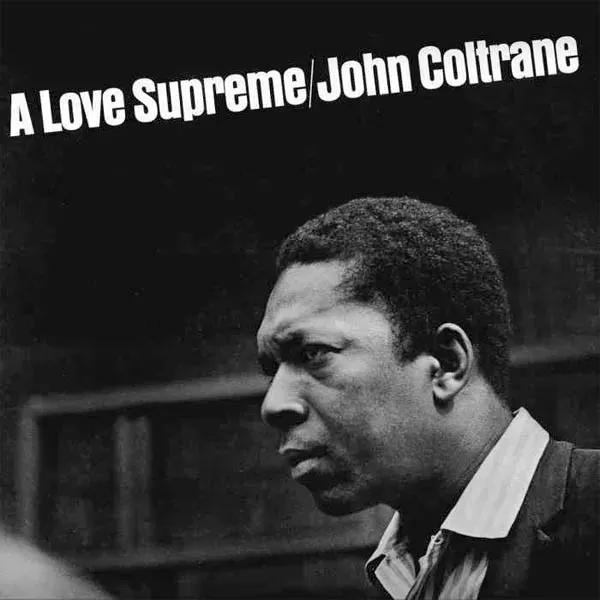
7. John Coltrane—“A Love Supreme”
This 1964 album by shamanic jazz saxophonist John Coltrane taught me more about spirituality than all of the fire-and-brimstone sermons of priests put together. This four-part suite (Acknowledgement, Resolution, Pursuance and Psalm) was a religious turning point in Coltrane’s life and the start of his exploratory phase; he even dedicated the piece to God (“God” in the cosmic and non-sectarian sense). Coltrane’s saxophone slithers over the rhythmic bedrock prepared by drummer Elvin Jones, bassist Jimmy Garrison and pianist McCoy Tyner —more restrained and more illuminating than the sax-playing in the majestically dissonant “Ascension,” “Sun Ship” and “Om.”
Yes, the album is purely instrumental (save for the “A Love Supreme” chant at the end of part one), but Coltrane proved that you don’t need words to speak in fiery tongues.
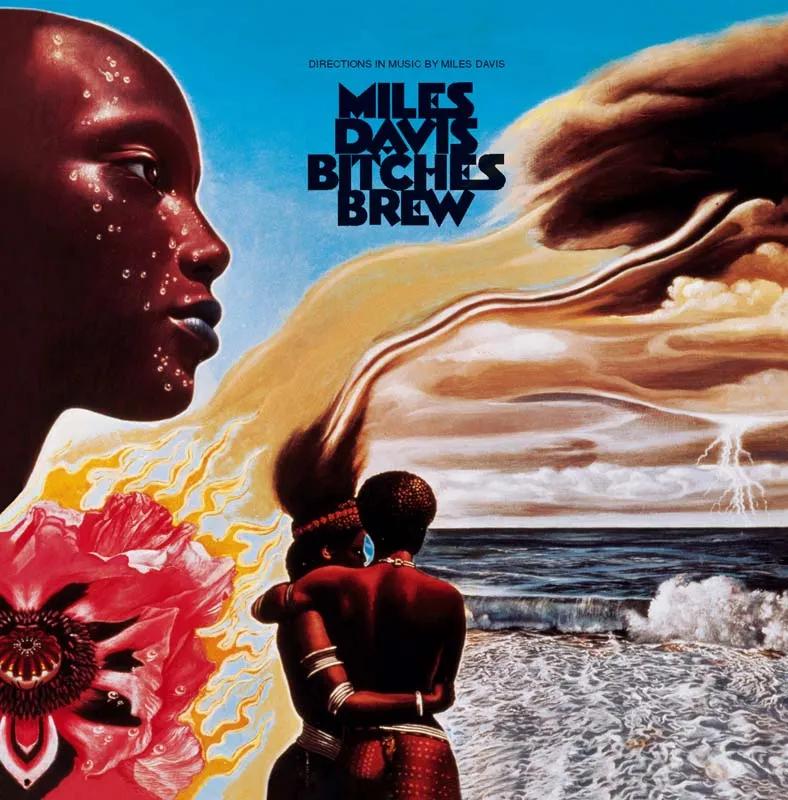
8. Miles Davis—“Bitches Brew”
Trumpeter Miles Davis was as protean as painter Pablo Picasso. “Bitches”—along with other electric opuses like “Agartha,” “Live Evil,” “On the Corner”—was an outgrowth of one of Miles’ incarnations. It is mind-bending fusion at its best with tracks like Pharaoh’s Dance, Sanctuary and the epic Miles Runs the Voodoo Down, an obvious nod to Jimi Hendrix, James Brown and Sly Stone.
But even if producer Teo Macero took out the absolutely “evil” rhythm and lead parts (snarling saxes, celestial keyboards and crash-and-burn guitars and drums) and isolated Miles’ trumpet, the resulting track would still be mindblowing melodic fire.
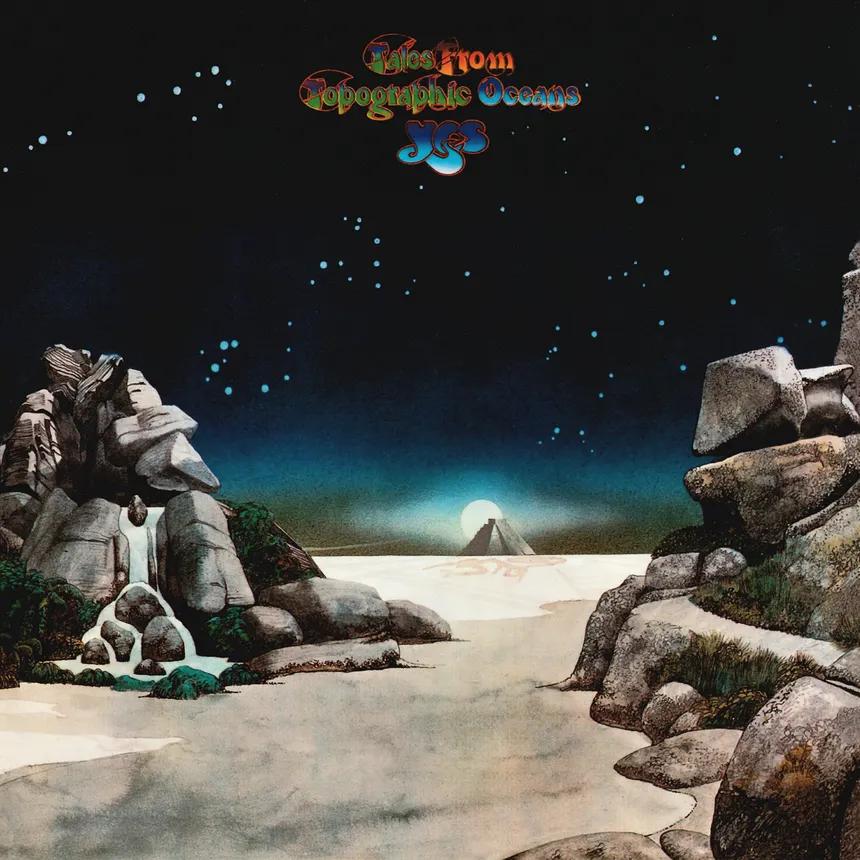
9. Yes—“Tales from Topographic Oceans”
“Nous sommes du soleil/We love when we play.”
Imponderable, symphonic, lush, otherworldly—yes, on all counts. Let the first strains of The Revealing Science of God take you straight to the lovely gates of delirium.
10.
I have deliberately left out the tenth slot. I was barraged with choices: Ornette Coleman’s free jazz musings; Led Zeppelin’s “The Song Remains the Same” (wherein Jimmy Page plays his Les Paul with a violin bow in Dazed and Confused?); Steely Dan’s irony pumpfests such as “Aja” or “The Royal Scam”; John Zorn’s Downtown outings; or electronic meanderings from Massive Attack and Portishead. I also thought about discs from crazy diamonds like Eric Dolphy, Return to Forever, Syd Barrett, Sun Ra, Sonic Youth, the Beta Band, and Igor Stravinsky. Oh well, maybe a new album will be released and rise above the cacophony of Britney, Puffy and a thousand and one boybands. Maybe one of these days we’ll wander into a record bar and buy the album that will turn our minds to mush.
A version of this story first appeared in The Philippine Star, 2002.


