Mia Herbosa: Still lifes, dead birds, figures in repose, a world learning to breathe again
Three dead mayas on a studio floor in 2021 turned Mia Herbosa toward abstraction. Her new show is a visual diary of the years since.
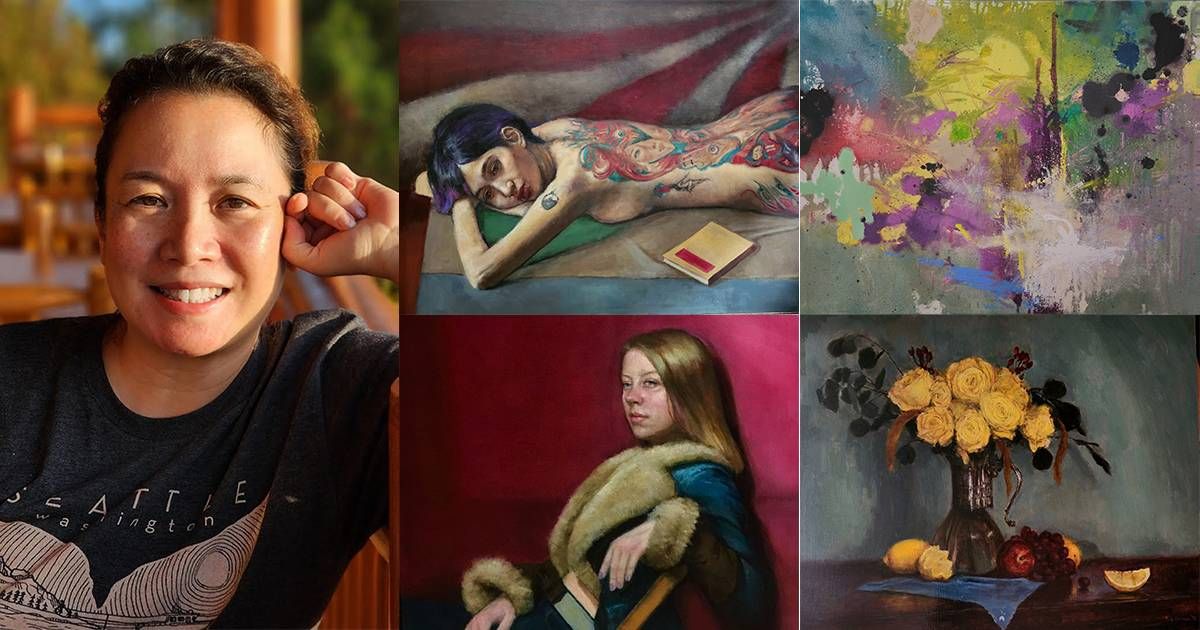
Symbolism has its way of creeping up to your doorstep.
Mia Herbosa hadn’t expected to find death waiting for her upon her return to the studio. It was 2021, and the world was still reeling from the aftermath of the COVID-19 pandemic. When she stepped into her studio in Manila after spending time in the US, she found a small, lifeless bird — a maya — lying still on the floor.
“It was so symbolic of the times,” she reflects. “I called that painting ‘The Year 2021.’ There was so much grief and heaviness in the air. I think I found three or four birds that year, all dead, and I painted them all.” Herbosa’s art had always been about capturing life, but here, death became a silent muse.
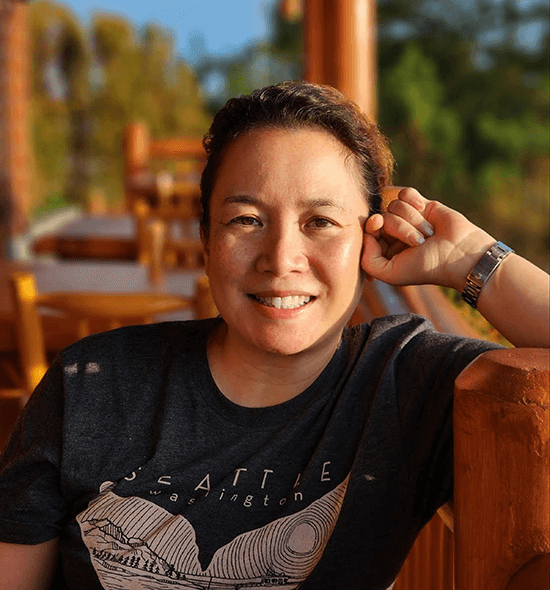
This incident marked a new phase in Herbosa’s artistic journey. Known for her poignant figurative works, she began shifting towards abstraction and symbolism. “I’ve been more drawn to the inner world of the soul lately,” she explains, referencing the more abstract, color-focused pieces in her recent exhibition. “I think my inner world was seeking expression.”
Mia presents her latest pieces in “In The Spirit of Things…” which opens on Oct. 11, 5 p.m., at ArtistSpace, ground floor, Ayala Museum Annex, Makati City. “The people (in the paintings) are the friends that enter my life during those particular years,” she says, “so each solo exhibition is a sort of visual diary of my developing technique and response to life as it comes.”
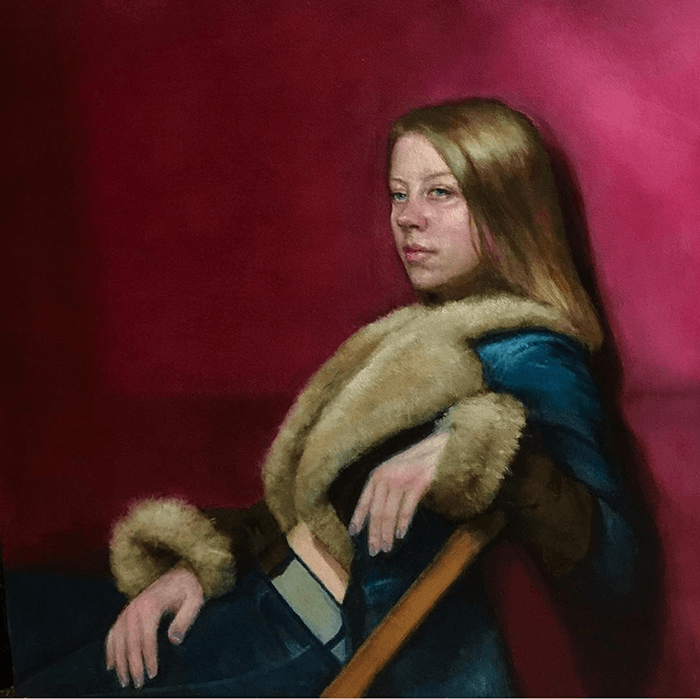
Herbosa’s introspective turn was no accident. The pandemic, along with the passing of two of her beloved mentors, had left an indelible mark on her spirit. “Both of them passed away in 2022, in the same year. It shook me up,” she admits. “I devoted my life to the meticulous technique they taught me. I think I was always hesitant to venture out and away from what I learned, but now there is a kind of freedom and a wondering why I had set this kind of boundary inside me.”
Herbosa’s studio in Alabang, Manila, is both a refuge and a canvas for her emotional world. When she’s not in Manila, she spends her time in a small, quiet neighborhood in Long Island, New York, where the change in light — its nuance and softness — further fuels her creativity. The constant travel between two very different environments shapes her artistic process in unexpected ways. “There’s a continuous flow of work,” she says, “but every time I switch places, I notice a shift in how I think, in how I paint. It’s like an osmosis.”
For Herbosa, flowers and objects are more than mere representations of beauty — they are a grounding force, a way to stay connected to the real, natural world when the chaos of modern life feels overwhelming. “Nature is so beautiful,” she remarks. “I think everything you want to understand, you can find by being in nature or looking at it. And how these colors and forms are little suggestions of the true beauty God has for us.”
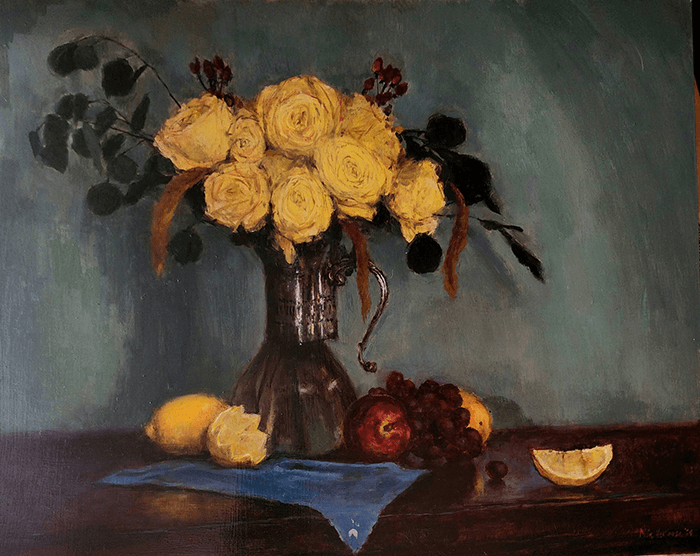
Mia’s recent works are also about release, about giving in to the spirit of play. “I painted an abstract work called ’21’ after my daughter Lana’s 21st birthday,” she shares. “I was filled with mixed emotions, and I really felt they wanted to come out. These were the colors that manifested. It seems to me more fulfilling than painting her portrait somehow.” The work, rich in bold colors, seems to defy the darkness that had settled over the world. (“Might also be a reaction to all the COVID years and repression that came with them.”) It represents a return to playfulness and experimentation, a chance for Herbosa to reconnect with the childlike wonder that first drew her to painting.
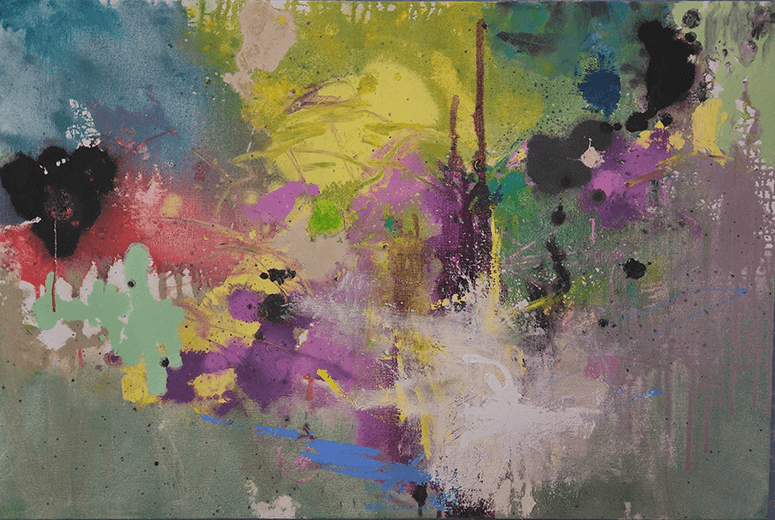
“I don’t know if it’s that color becomes more meaningful as you age, but I’ve been attracted to abstraction a bit more these days. Of course I do this in between my portraits, I think they are like pressure breaks and releases since portraiture tends to be so intense. And the works in pure color help my nerves release pent-up tension and energy.”
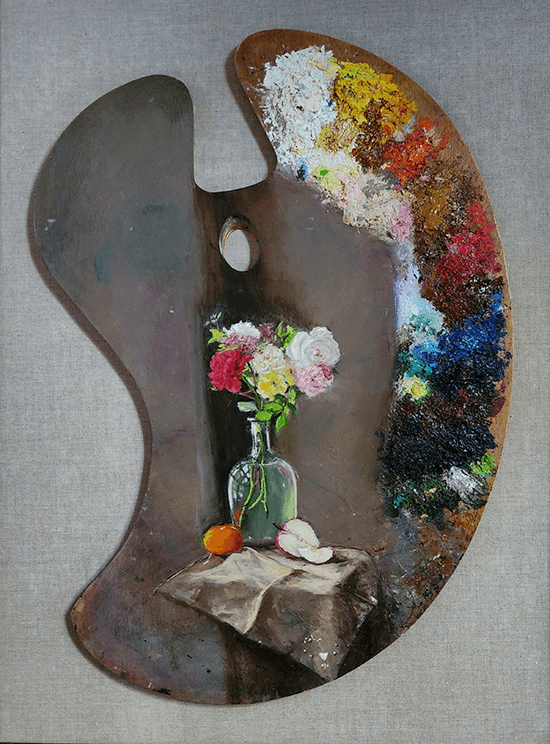
It feels like a kind of freedom for the artist. It’s like stepping back and letting the colors speak for themselves.
As Herbosa looks to the future, she’s thoughtful about the evolving role of the artist in today’s post-pandemic, post-truth world. “There’s something unsettling about AI-generated art,” she muses. “In the end, what does it connect you to? Art, to me, is about connecting with truth, nature, and what is real.”
What’s intensely real for Mia is the support of two persons in her life: Paul Agoncillo, her husband, and Elaine Herbosa, her mom.
“They supported me and my art ever since I began post-college art school in 1992. Now more than 30 years later, after maybe close to a hundred group shows and over 15 solo shows, they are by my side. Paul feeds me the most delicious food (he is a chef!) and my mom helps me manage things from this part of the world. I also literally share my life with both of them — half the year in Manila, half the year in New York. Lana has helped me to take things in stride and also to enjoy the journey, as the years are going by so very quickly.”
For her part, Elaine explains, “Art is Mia’s life and every fiber of her body and soul. She will be a supernova one day — if she is not already one. I’m biased, of course, but this is all rooted in honesty and proven in all of her works to date.”
In a world increasingly dominated by technology, Mia’s commitment to authenticity feels almost radical. “Art will always matter,” she says firmly. “It’s about connection, and as long as people crave that, there will always be a place for artists.”
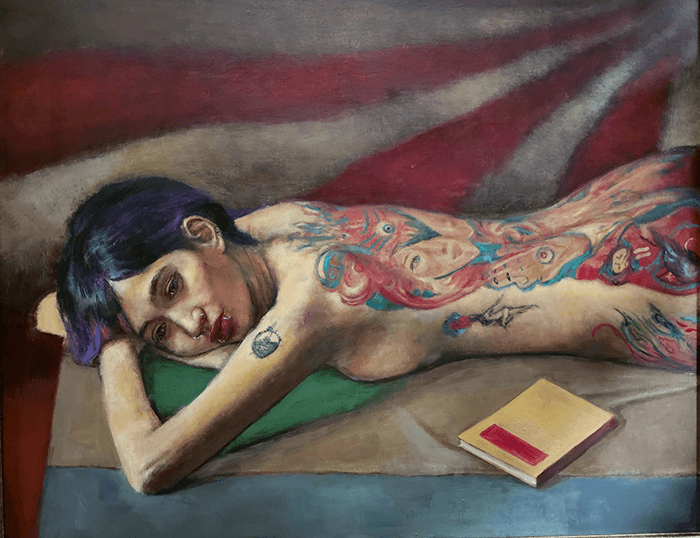
In the quiet of her studio, surrounded by flowers and fading light, Herbosa continues to paint — life, death, and everything in between. Whether through the vibrant colors of an abstract piece or the elaborately inked skin of a forensic psychology student named Zareen on a couch, Mia’s art speaks to the resilience of the human spirit in times of loss and renewal.
“I always like to remind myself and others of things that matter underneath the superficiality of life,” Mia Herbosa concludes. “I’m always searching for ways to find and bring out that certain ineffable thing. I find this crucial. I think that’s what art is, really.”
A version of this story first appeared in The Philippine Star, 2024. Print edition.


