Twisted stars, plotted lines and NYC
The city that never sleeps will not let you snooze, so take a walk on the wild side. Five cubist women in a brothel, skies delirious with stars.
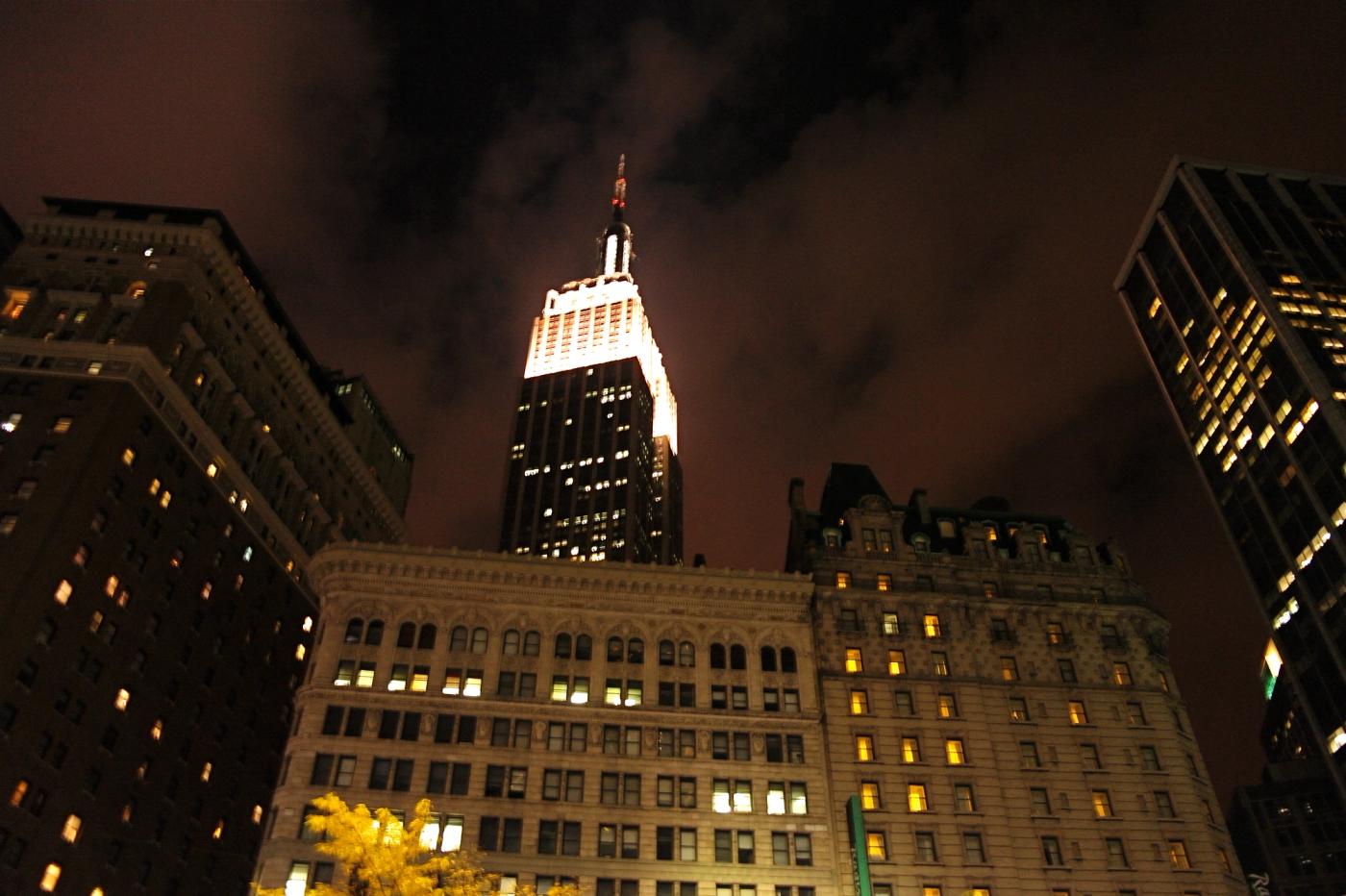
Hold your horses. We’ll get to the decaying meats, a man under an umbrella, five cubist women in a brothel, skies delirious with stars, journeying by cab-light across the meatpacking district, and spotting whores on 7th Avenue later in the article. Right now I am inside a black Mercedes Benz being driven around New York City by a man named Marcos. Yes, Marcos. As if events were scripted by The Joker.
Marcos is a 50-year-old limo driver from Cuba who now lives in Queens. He tells me he used to drink regularly with buddies, consuming mojito tequila like water. “I come from a long line of heavy drinkers,” says Marcos, explaining his lineage and his poison of choice. But he had to give up drinking since he got so piss-drunk onetime that he allowed his young son to play with the old man’s gun, not knowing there was one bullet still stuck in the chamber. It went off. No one got hurt, fortunately, but Marcos’ wife flew into such a rage (a wrath that could’ve leveled Guantánamo Bay) that it prompted the guy to give up the bottle forever. Now, he’s into watching movies with the kids and partaking of Cuban sandwiches (the cubano) with the works sold at loncherias. What a nice guy.
Marcos informs me that superstars have put their superstar asses on the very leather seat currently occupied by the ass of a star-crossed writer from Blumentritt.
“Celebrities are weird…” Marcos pauses as if gathering bile before blurting out, “like J. Lo.” The actress slash pop singer apparently has very strict rules when she rides in rented limos: the driver must deal only with the bodyguards, never to Her Royal Behind-ness. “The same with John Travolta — no handshakes, no talking, no autographs, no looking. I don’t want to deal with any of that crap,” Marcos says with a snicker that reminds me of Pacino’s Scarface character. I wonder to what fund-raising events Marcos drove those two celebrities — I suppose something about making the world a better place and all that fake humanitarian shit.
“Bruce Springsteen, on the other hand, was very nice. He’s really the Boss. So is Tony Soprano (actor James Gandolfini). They talk to you, ask you about family.”
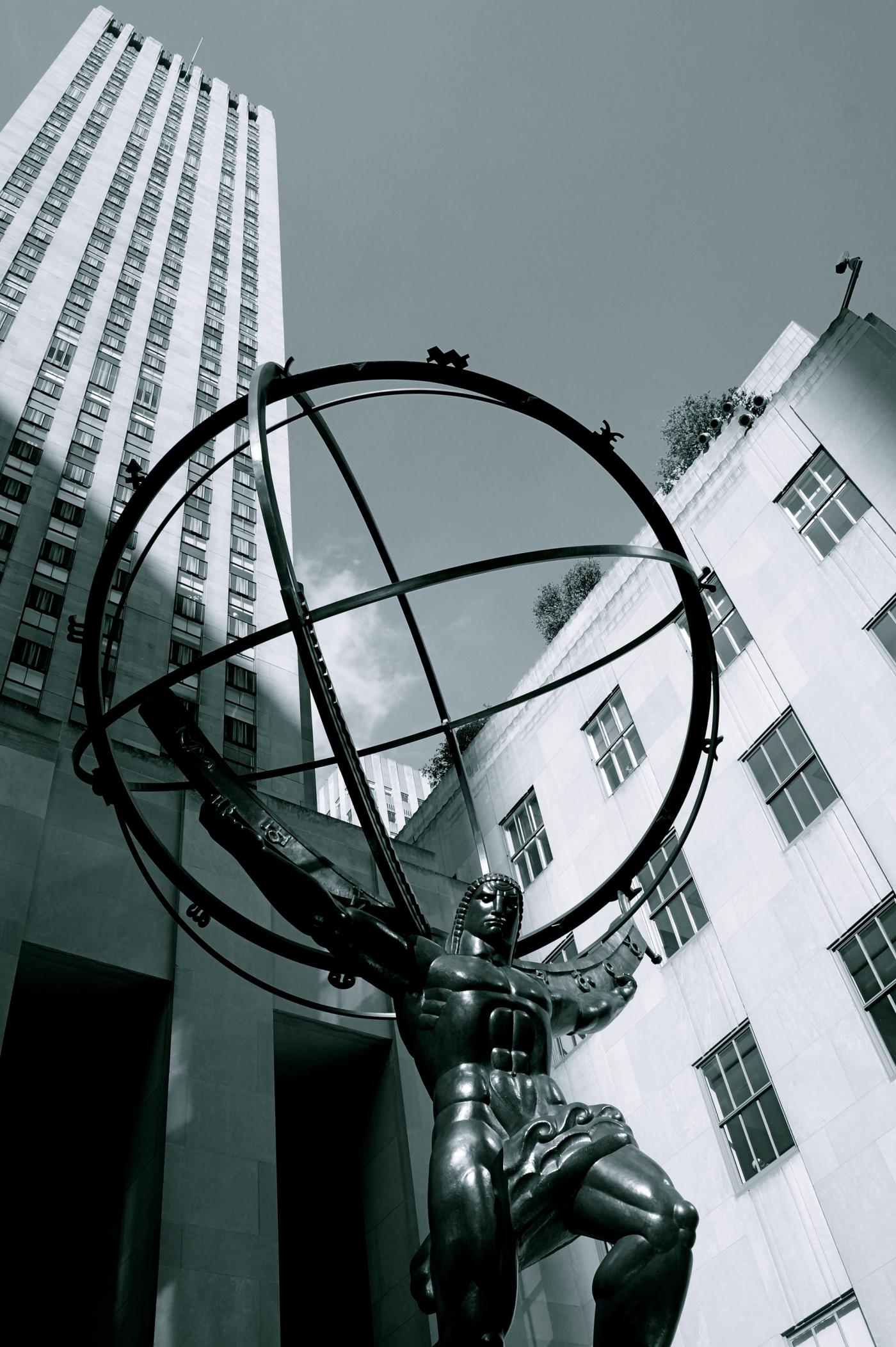
It is my last day in New York City. My first ever trip to the Big Apple, my editor having assigned me to cover a Microsoft event at the Peter White Studios in Chelsea. Thus, two nights ago another journalist and I arrived at John F. Kennedy Airport (after — what? — 24 hours in transit), met the contact person with an accent and a forehead like Billy Joel’s, rode a van into Times Square, passing through Hell’s Kitchen and ’hoods just like on Seinfeld and Sesame Street (sunny daze, indeed) to get to the Marriott Marquis, conveniently situated near the Virgin record store. (The very place they show at the end of The Fifth Wheel, where strangers become lovers and lovers become bitter suicidal exes.)
A few hours after we arrived, a writer-friend based in New York visited us at the hotel, and just before midnight I had to walk her to the subway station. I was the token gentleman. The question was, who’s going to walk that gentleman back? It was chilly as hell, thugs were fighting over something I didn’t want to get involved in (maybe bad deals or bad burritos), sweet-painted ladies were calling out to me like the sirens to Odysseus and wanting to know if I wanted a good time (it’s a pity I didn’t have wax to stuff my ears with), while a dreadlocked woman kept swinging at an invisible enemy — I felt like the boxer in the Paul Simon song, or the Midnight Cowboy in his first midnight in New York City. Or Borat, since I ended up abbreviating my stroll on 7th Avenue on that drizzly night by walking briskly, awkwardly. So much for my vagabond shoes wanting to stray, but it was quite an experience. High five.
The following morning I had eggs in the morning and Bacon in the afternoon. I told myself, if I had just one day in New York, I would spend it in the Museum of Modern Art (MoMA). Which I did.
The museum, which opened nine days after the Wall Street Crash, is one of the best storehouses of modern and contemporary art. It had a dazzling, dizzying display of masterpieces by the rock stars of the art world: Vincent Van Gogh, Pablo Picasso, Salvador Dali, Henri Matisse, Claude Monet, Rene Magritte, Jackson Pollock, Frank Stella, Robert Rauschenberg, Andy Warhol, and of course my hero Francis Bacon.
A photo of a screaming Mussolini was the starting point for “Painting (1946),” a key acquisition for the MoMA. Bacon’s iconography is showcased in this work in full shadowy horror-show: the screaming mouth, the bloody cut-meats, crucified carcass, the ultra-violent sloshes of oil and pastel, practically the full monty. It’s overwhelming to be there in front of the work, gazing at this doomed oratorical figure under an umbrella and glimpsing yourself on its glass frame in the process. Yes, you’re in the bloody painting because you are precisely Bacon’s subject. Dig?
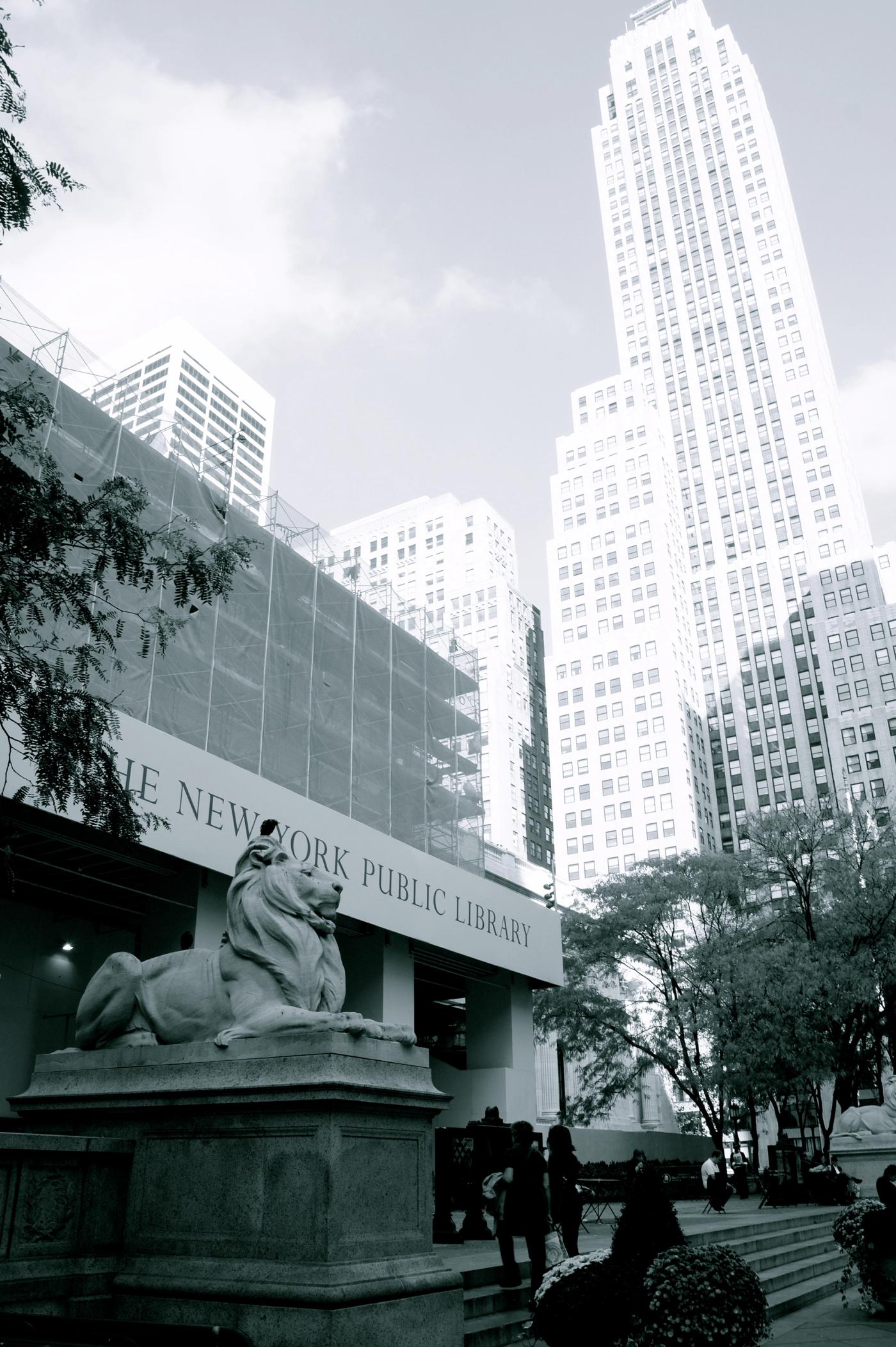
Another work I wanted to see in the flesh (pardon the pun) is Joseph Beuys’ “Eurasia—32nd Movement of the Siberian Symphony, 1966.”
The German artist was a visionary. He confounded audiences with his elaborate rituals or “actions” such as explaining pictures to a dead hare and his “Eurasia” performance piece (which was first done in Copenhagen in ’66). What he did was draw a cross division on a slate blackboard to signify the dichotomy between East and West, which he bridged symbolically by this key action: putting a dead hare stuck on long, thin wooden rods on top of the board, and then unifying the whole thing with grease and felt. All that Beuys wanted was for the viewer to undergo “self-reflection and a revision of one’s way of seeing.” That was the artist as a shaman (and not the everyday hucksters we encounter in the art world at present).
Lots of contemporary artists, such as the German Jonathan Meese and the American Matthew Barney, owe a lot to Beuys. Like the Arctic Monkeys to The Kinks.
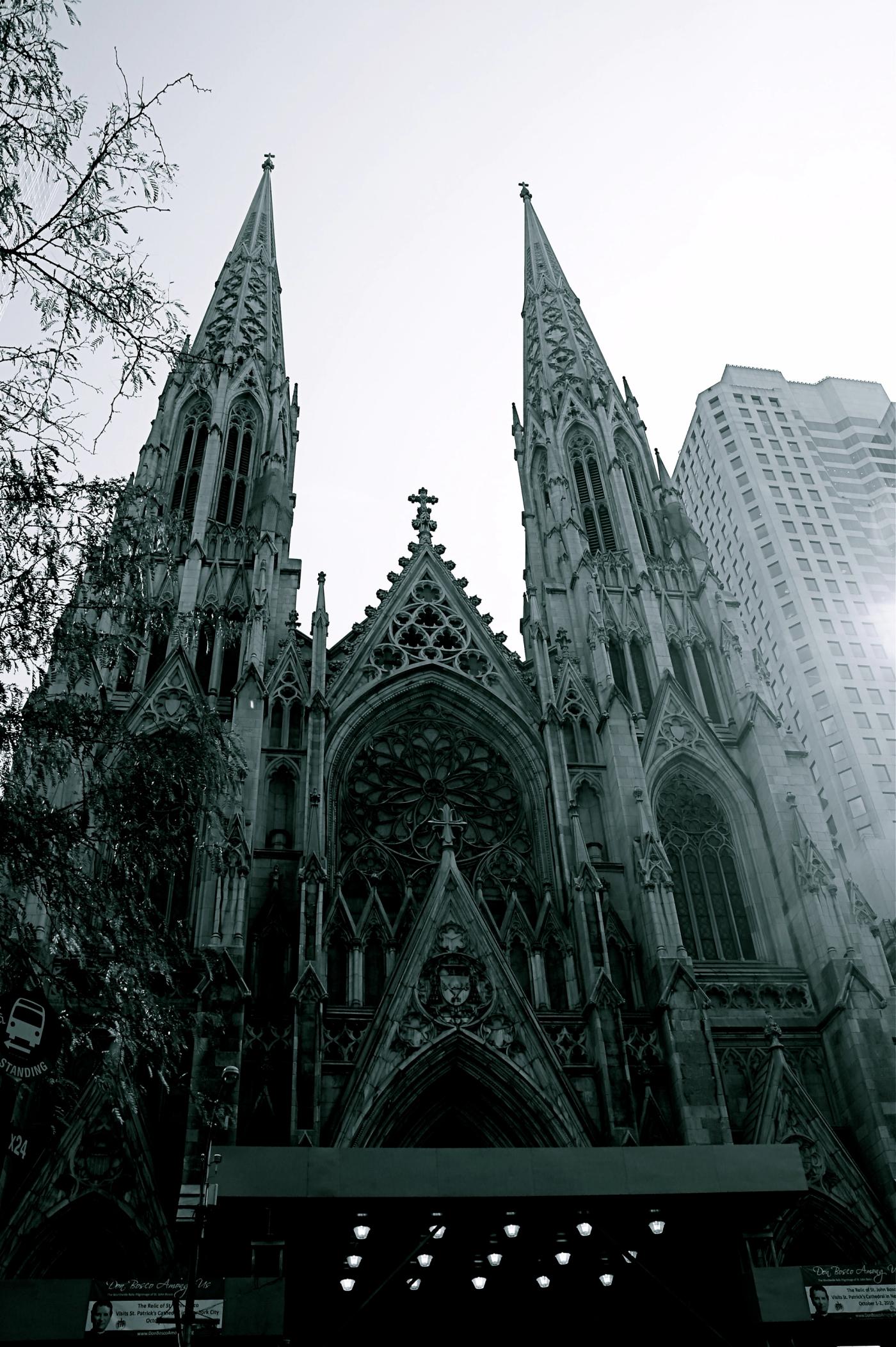
Pablo Picasso is the most punk among the masters. With “Les Demoiselles d’Avignon,” he was rebelling against the myth of feminine beauty (how the female was portrayed pictorially) and at the same time he was rebelling against the whole of Western art since the Renaissance by incorporating Iberian and African imagery into his work.
Picasso saw his first African sculpture in Matisse’s flat, and then spent the rest of the night making studies of the head of an African woman. “Les Demoiselles” was, according to one writer, “Picasso’s first cubist painting, even before cubism began.” His contemporaries wisecracked that the faces of the subjects looked as if “they had been hewn by an axe.”
The Spanish master didn’t give a rat’s ass. Picasso just acted as Picasso. As soon as art critics had conveniently categorized him and his oeuvre, the artist would do something anarchically different to what he’d done in the past.
Upstairs was an exhibition featuring the pointillist drawings of Georges Seurat. Come to think of it, the museum has come full circle since its first loan exhibition featured Seurat, among other masters. There’s an upcoming exhibition by Lucian Freud, which I won’t be able to see. Drat. There’s a BBC documentary featuring the portraits of Rembrandt as analyzed by Freud. That DVD’s essential. Downstairs was a bookstore and reading area filled with books on and by artists. I got a few Joel-Peter Witkin’s photography books. (More on Witkin in a future article.)
In an exhibition space, MoMA hands were busy installing poles, a carriage, a towering ladder (which could symbolize — uh, what — a stairway to heaven?) and other pieces by Martin Puryear.
Imagine a lady trying to buy that stairway if a price tag were attached to it. And it made me wonder.
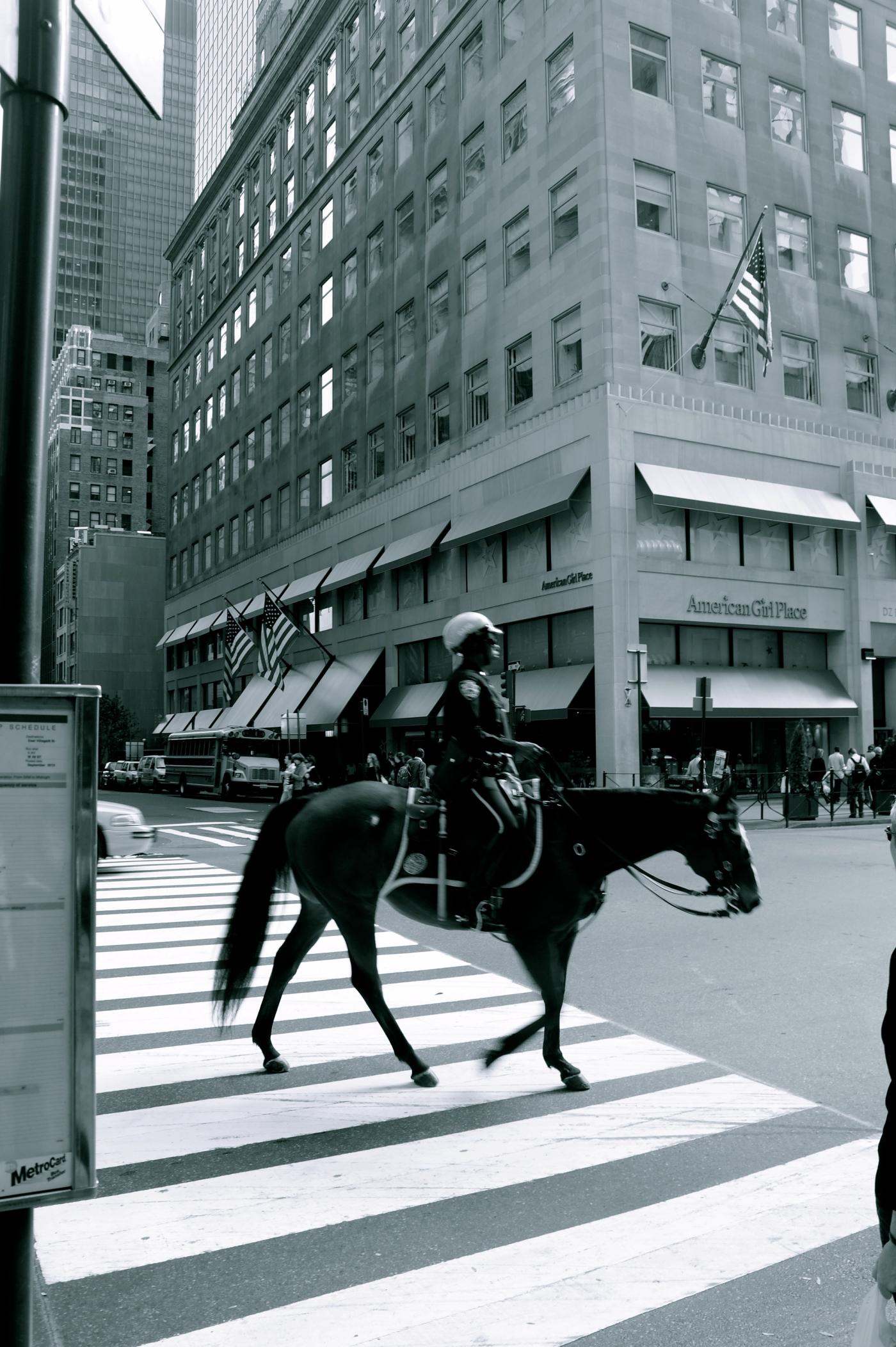
Reed Between The Lines
“Manhattan’s sinking into the filthy Hudson, what a shock, they wrote a book about it, they said it was like Ancient Rome.”
Lou Reed said that. Or more precisely drawled out those words with swelling guitars around them. If James Joyce had Dublin and William Faulkner had the South, Reed took New York with its dirty boulevards, candy darlings, hustlers here and there, and things that flicker for a moment and are gone. Like aborted epiphanies on 7th Avenue.
“People die faster here in New York,” Marcos says nonchalantly, as he steers the car out of the heavy Midtown Manhattan traffic. “New Yorkers are always rushing, always in a hurry, and often don’t eat anything.”
Marcos goes on to explain how New York is divided into five boroughs, pointing from time to time at landmarks such as Trump Tower, the studio where episodes of The Sopranos are shot (I mean filmed), and Tiffany’s (“waiting round the bend, my huckleberry hound, er, friend”). He peppers his lecture with interesting stories about Harlem crime boss Frank Lucas played by Denzel Washington in American Gangster, baseball games at Yankee Stadium, and one sunny day on a beach immortalized by the Ramones.
“When I was a teenager, my friends heard some nudists were going to camp out on Rockaway Beach, so we decided to check it out. When we get there, the guys outnumbered the girls. One guy even walked around with a hard-on. We got out of there really quick,” Marcos recounts with a chuckle.
He used to drive a delivery truck four years ago before working for the limo service, a less harrowing grind. “I wake up in the morning and every bone in my body aches. How funny it is to wake up one day and realize you are your old man. Eventually this body is going to conk out like an old limo. It will simply stop running,” muses Marcos.
For now, though, the car is in fine condition, building up speed as it heads out of Manhattan and into another borough, another adventure, another soup of stories.
A poet once said there “is one story and one story only.” Robert Graves wasn’t talking about New York.
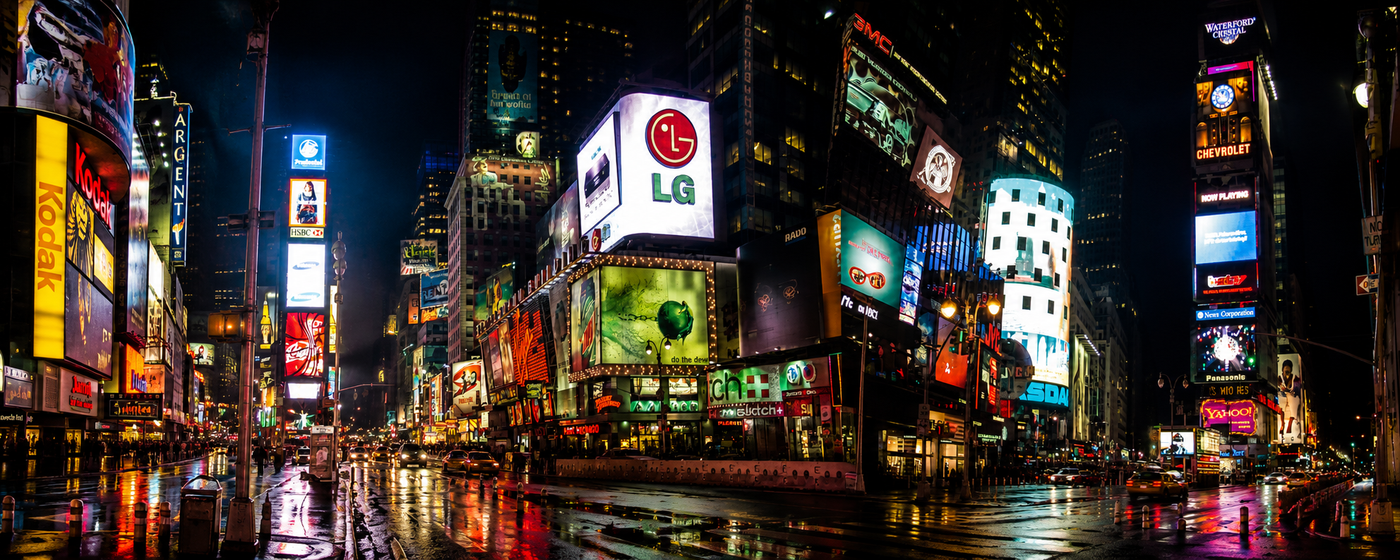
A version of this story first appeared in The Philippine Star, 2007.


